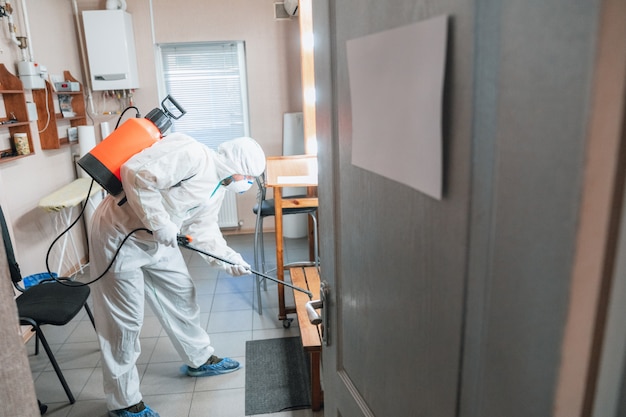
Mold growth in the attic is a common issue faced by many homeowners, often resulting in structural damage and health hazards if left untreated. Understanding the process of attic mold remediation is crucial for maintaining a safe and healthy home environment. This article aims to provide a comprehensive guide to the steps involved, ensuring that the process is handled efficiently and effectively. Whether dealing with a minor mold problem or an extensive infestation, gaining insights into professional remediation techniques is essential for achieving the best outcomes.
Identifying Mold in the Attic
The first step in attic mold remediation is identifying the presence of mold. It is important to look for signs such as:
- Visible patches of mold on wooden structures or insulation.
- A musty odor that persists, especially after rain.
- Discoloration or stains on the ceiling below the attic.
If any of these signs are evident, it is crucial to address the issue promptly. Discover expert strategies here for early mold detection.
Assessment and Containment
Once mold is identified, a professional evaluation is essential to determine the extent of the infestation. A thorough assessment will typically involve:
- Analyzing the type and spread of mold present.
- Evaluating the structural integrity of attic materials.
- Identifying moisture sources contributing to mold growth.
The containment process follows, aiming to prevent the spread of mold spores to other parts of the house. This step is crucial in maintaining air quality and ensuring a safe living environment. Learn about our tailored solutions for effective containment practices.
Removal and Cleaning
The removal phase involves eliminating mold-infested materials and thoroughly cleaning affected areas. This step can be divided into:
- Safely discarding contaminated insulation and drywall.
- Scrubbing surfaces with specialized cleaning agents.
- Using HEPA vacuums to capture residual mold spores.
Proper removal and cleaning are critical in ensuring that mold does not recur. Explore advanced guides and tips for comprehensive mold removal techniques.
Restoration and Prevention
After successful mold removal, restoring the attic to its original state is crucial. This includes:
- Replacing damaged materials with mold-resistant alternatives.
- Improving ventilation to prevent future moisture buildup.
- Regular inspections to catch any early signs of mold return.
Implementing preventive measures is an investment in the longevity of your home. Find out more about this approach to protecting your attic from mold.
Conclusion
Understanding the comprehensive process of attic mold remediation is vital for homeowners facing mold issues. By identifying, assessing, removing, and preventing mold, you can ensure a safe and healthy home environment. For those seeking professional assistance, exploring customer feedback can be insightful. Check out customer reviews here to see what others are saying about professional mold remediation services.

