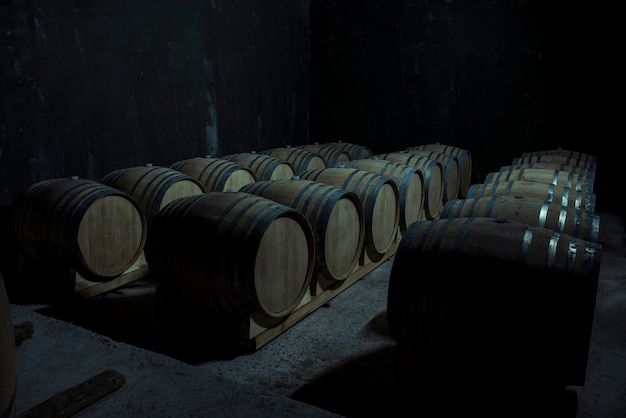
Investing in whiskey casks has become an increasingly popular choice among investors seeking diversification in their portfolios. This niche market offers unique advantages, such as potential high returns and a tangible asset, but it also requires a deep understanding of the industry. Whether you’re a seasoned investor or a newcomer, understanding the key aspects of whiskey cask investment is crucial. Here are some top tips to guide you through the process.
Understand the Market Dynamics
Before diving into whiskey cask investment, it’s essential to understand the market dynamics.
- Supply and Demand: Whiskey casks are produced in limited quantities, making them a scarce resource. Their value can increase as the whiskey ages and demand grows.
- Market Trends: Stay informed about current trends and consumer preferences. Single malt whiskies, for example, often have higher demand compared to blended options.
- Global Influence: International markets can greatly impact the value of whiskey casks. Emerging markets are showing an increasing appetite for premium spirits.
Choose the Right Distillery
The choice of distillery significantly affects the investment potential of your cask.
- Reputation: A reputable distillery with a history of high-quality production can provide more stable and potentially lucrative returns.
- Production Techniques: Understanding the distillery’s production methods can offer insights into the maturation potential of their whiskey.
- Brand Strength: Well-known brands often have a loyal consumer base, which can enhance the value of their whiskey over time.
Consider the Cask Type and Size
The type and size of the cask can influence the flavor profile and investment potential of the whiskey.
- Wood Type: Different woods, such as American oak or European oak, impart distinct flavors and characteristics to the whiskey.
- Cask Size: Larger casks tend to mature whiskey more slowly, while smaller casks can accelerate the aging process.
Assess the Risks
Like any investment, investing in whiskey casks comes with its own set of risks.
- Market Volatility: The value of whiskey can fluctuate based on market conditions and consumer trends.
- Storage and Insurance: Proper storage is crucial for maintaining the quality of the whiskey, and insurance can protect your investment against unforeseen events.
- Regulatory Considerations: Be aware of any legal regulations surrounding the sale and export of whiskey in different regions.
Plan Your Exit Strategy
A well-thought-out exit strategy is essential for maximizing returns on your whiskey cask investment.
- Timing: Consider the optimal time to sell your cask, which may depend on the whiskey’s age and market demand.
- Sales Channels: Utilize reputable brokers or auction houses to reach potential buyers effectively.
- Long-term Goals: Align your investment with your long-term financial objectives to ensure it complements your overall portfolio strategy.
Seek Expert Advice
Consulting with industry experts can provide valuable insights and guidance when considering a whiskey barrel investment.
- Professional Appraisals: Obtain appraisals from experts to accurately assess the value and potential of your cask.
- Investment Guidance: Leverage the knowledge of financial advisors who specialize in alternative investments.
Investing in whiskey casks can be a rewarding venture, offering the allure of owning a piece of history while potentially yielding substantial financial returns. By understanding the market, selecting the right distillery, assessing risks, and planning an exit strategy, investors can navigate this unique asset class with confidence and expertise.

