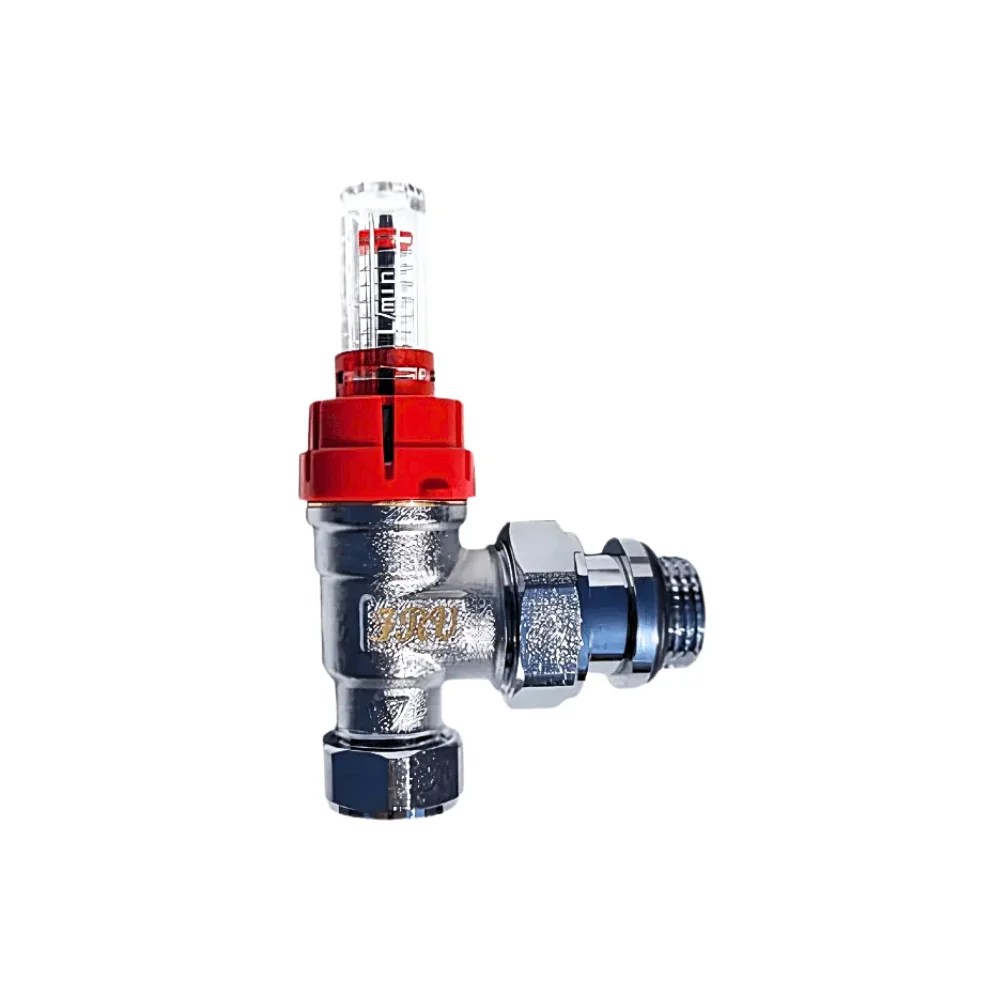
In the dynamic landscape of industrial applications, the efficient management of fluid flow is crucial for maintaining operational effectiveness and safety. Regulating valves play a pivotal role in this process, offering numerous benefits that enhance system performance and reliability. This article delves into the advantages of using regulating valves in various industrial settings, providing insights into their functionality and contribution to optimized operational workflows.
Understanding Regulating Valves
Regulating valves are instrumental components in controlling the flow and pressure of fluids within a system. They help in maintaining the desired flow rates, ensuring that the output matches the specific requirements of the application. By precisely adjusting the flow of liquids or gases, these valves contribute significantly to the efficiency and safety of industrial processes.
Types of Regulating Valves
- Globe Valves: Known for their throttling capabilities, these valves provide precise flow control.
- Butterfly Valves: Ideal for applications requiring quick shut-off, they are cost-effective and easy to operate.
- Ball Valves: Known for their durability and reliability, they offer excellent sealing properties.
- Diaphragm Valves: Suitable for handling corrosive fluids, they provide a tight seal and are easy to maintain.
For those seeking detailed information on selecting the appropriate valve type, find out more about this approach.
Benefits of Regulating Valves in Industrial Applications
Enhanced Process Control
Regulating valves allow for precise control over fluid flow, which is essential in maintaining consistent process conditions. This leads to improved product quality and reduced waste, contributing to cost savings and increased efficiency.
Energy Efficiency
Properly selected and maintained regulating valves contribute to significant energy savings. By minimizing pressure drops and optimizing flow rates, these valves reduce the energy required to transport fluids, thereby promoting sustainability in industrial operations.
Safety Improvements
Safety is paramount in industrial applications, and regulating valves enhance this aspect by facilitating controlled flow and pressure. This reduces the risk of system failures and accidents, protecting both personnel and equipment.
To explore advanced guides and tips on ensuring safety through the effective use of regulating valves, learn about our tailored solutions.
Applications of Regulating Valves
Regulating valves are utilized across a wide range of industries due to their versatility and efficiency. Some common applications include:
- Oil and Gas: Ensuring precise control of extraction and refining processes.
- Water Treatment: Managing the flow and pressure of water in treatment plants.
- Pharmaceuticals: Maintaining the integrity of fluid systems critical to manufacturing processes.
- Food and Beverage: Controlling processing conditions to ensure product quality and safety.
Discover expert strategies for implementing regulating valves in these sectors here.
Conclusion
The integration of regulating valves into industrial systems offers a multitude of benefits, ranging from enhanced process control to increased safety and energy efficiency. As industries continue to evolve, the demand for reliable and efficient flow control solutions remains high. Understanding the capabilities and applications of regulating valves is crucial for optimizing industrial operations and achieving sustainable growth.
For further insights and expert guidance on leveraging regulating valves for industrial success, explore advanced guides and tips.

