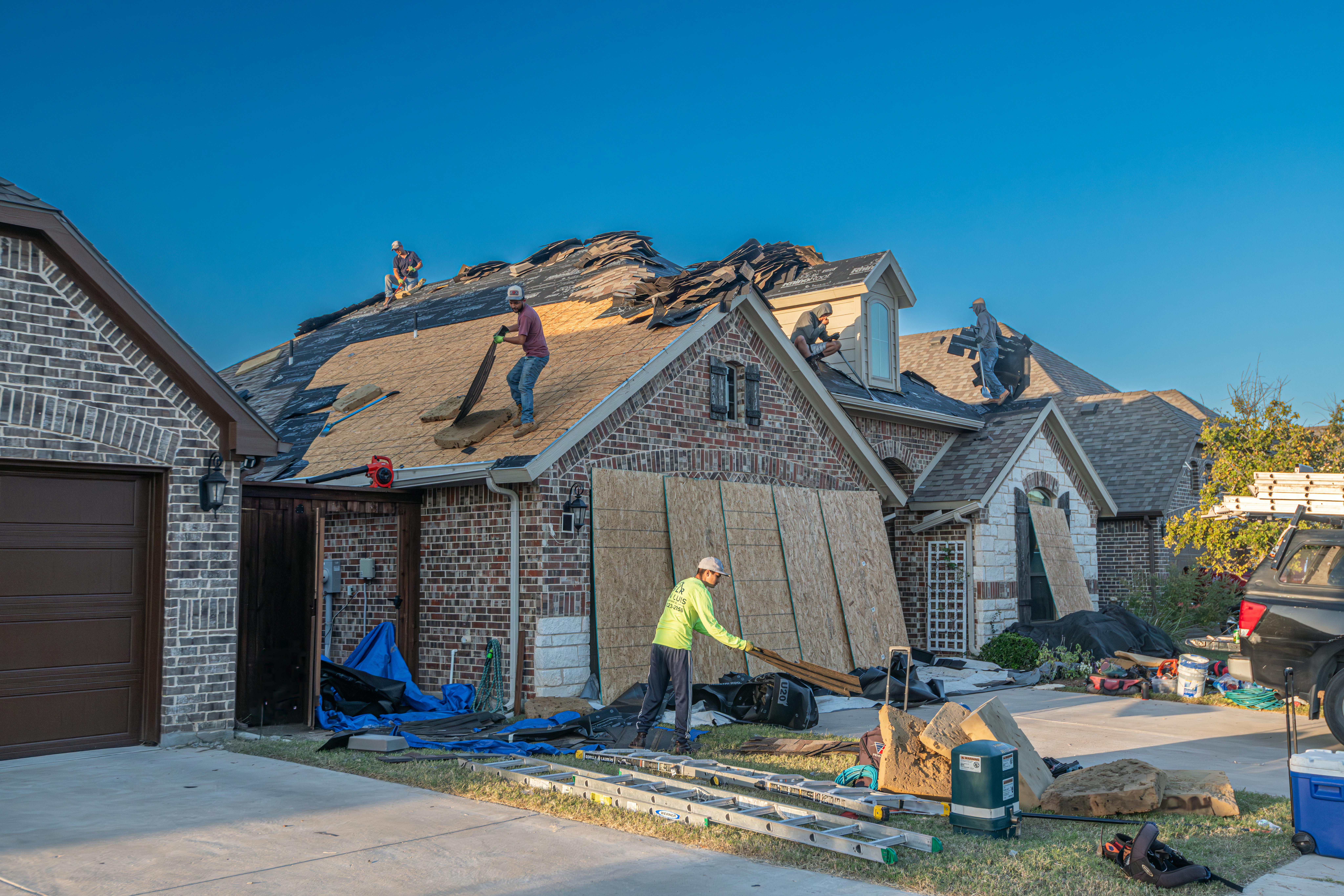
Storms, with their unpredictable nature, can cause varying degrees of damage to properties. The aftermath often requires swift and efficient restoration solutions to minimize further damage and ensure safety. Understanding the steps involved in storm damage restoration can significantly aid in recovery efforts, helping property owners return to normalcy as quickly as possible.
Initial Assessment and Safety Measures
The first step in storm damage restoration is a thorough assessment of the damage. This involves:
- Inspecting the property’s exterior for visible damage to the roof, windows, and siding.
- Checking for structural damage that could compromise the safety of the building.
- Evaluating any water damage, which could lead to mold growth if not addressed promptly.
Ensuring safety during this process is paramount. It is essential to turn off electricity and gas lines if there is significant water damage or structural instability. Employing professional services for detailed inspections and repairs can be beneficial. Learn more in this detailed guide about effective assessment strategies.
Immediate Restoration Actions
Water Damage Mitigation
Water damage is a common consequence of storms. Immediate actions to mitigate water damage include:
- Removing standing water using pumps or wet vacuums.
- Dehumidifying affected areas to prevent mold growth.
- Drying walls and furnishings to salvage as much as possible.
Proper water damage restoration is crucial to prevent long-term damage and health risks. Explore further insights here on the importance of timely interventions in water damage scenarios.
Structural Repairs
Structural repairs often require immediate attention to prevent further deterioration:
- Securing the roof to prevent leaks and additional water damage.
- Replacing broken windows to restore security and insulation.
- Repairing or reinforcing damaged walls and foundations.
These repairs are critical for the safety and integrity of the property. For comprehensive strategies on structural repairs, find additional information here.
Long-Term Restoration and Prevention
After immediate restoration actions, long-term recovery and preventive measures should be considered. This includes:
- Conducting a detailed inspection of all repairs and ensuring quality work.
- Implementing preventive measures like storm shutters or reinforced roofing materials.
- Regular maintenance checks to ensure the durability of repairs.
Long-term solutions not only restore but also enhance the resilience of properties against future storms. Read more about this topic to understand the best practices for long-term storm damage resilience.
Conclusion
Effective storm damage restoration involves a combination of immediate actions and strategic long-term planning. By addressing both immediate and potential future issues, property owners can protect their investments and ensure their homes remain safe and secure. Professional guidance and timely interventions are key to successful restoration. For a deeper understanding of the restoration process, explore further insights here.

