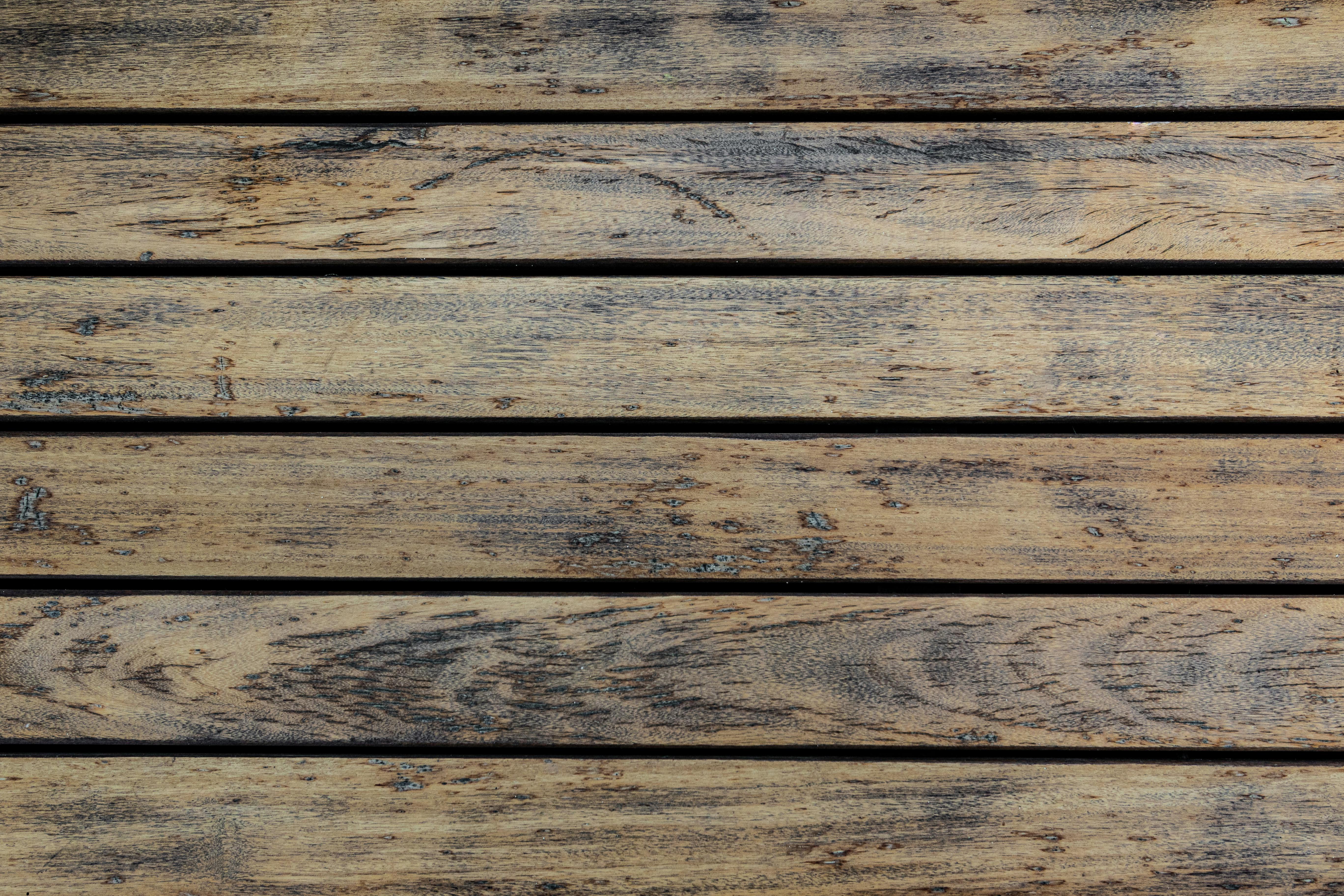
In recent years, hybrid flooring has emerged as a popular choice for homeowners and designers alike, offering a unique blend of style, durability, and functionality. As a versatile flooring option, it combines the best features of laminate and vinyl, providing an ideal solution for various residential and commercial applications. With its growing popularity, understanding the benefits of hybrid flooring can help you make informed decisions for your flooring needs. This article delves into the advantages of hybrid flooring, exploring why it might be the perfect choice for your next renovation project.
What is Hybrid Flooring?
Hybrid flooring is engineered to combine the strengths of different flooring types, particularly laminate and vinyl. This innovative flooring solution consists of multiple layers, each contributing to its unique properties:
- Top Layer: A protective coating that provides resistance to scratches and stains.
- Decorative Layer: A high-resolution photographic layer that mimics the appearance of natural materials like wood or stone.
- Rigid Core: Offers structural stability and impact resistance, often made from a composite of wood and plastic.
- Backing Layer: Provides additional support and moisture resistance.
This composition results in a flooring option that is both attractive and practical. Learn more in this detailed guide.
Key Benefits of Hybrid Flooring
Durability and Longevity
Hybrid flooring is designed to withstand the rigors of daily use, making it an excellent choice for high-traffic areas. Its durable surface layer is resistant to scratches, dents, and stains, ensuring that it maintains its aesthetic appeal over time. Additionally, its rigid core provides structural integrity, making it less likely to warp or buckle under pressure. Explore further insights here.
Water Resistance
One of the standout features of hybrid flooring is its resistance to water and moisture. This makes it a suitable option for areas prone to spills and humidity, such as kitchens, bathrooms, and basements. Unlike traditional wood flooring, hybrid flooring can handle exposure to water without compromising its structure or appearance. Read more about this topic.
Ease of Installation
Hybrid flooring is designed with ease of installation in mind. Many products feature a click-lock system, allowing for quick and straightforward installation without the need for adhesives or nails. This not only reduces the time and cost associated with installation but also makes it a viable DIY project for homeowners looking to take on home improvement tasks themselves. Find additional information here.
Aesthetic Versatility
With a wide range of styles, colors, and textures available, hybrid flooring can complement any interior design scheme. Whether you’re aiming for a rustic, traditional look or a sleek, modern aesthetic, there’s a hybrid flooring option to match your vision. The high-resolution decorative layer captures the authentic appearance of natural materials, providing the beauty of hardwood or stone without the associated maintenance challenges.
Conclusion
Hybrid flooring offers a compelling combination of style, functionality, and resilience, making it an attractive option for diverse applications. Its water resistance, durability, and ease of installation are just a few of the reasons it is gaining traction among homeowners and designers. As you consider your flooring options, exploring the benefits of hybrid flooring might lead you to the perfect solution for your space. For more detailed information and guidance on hybrid flooring, explore further insights here.

