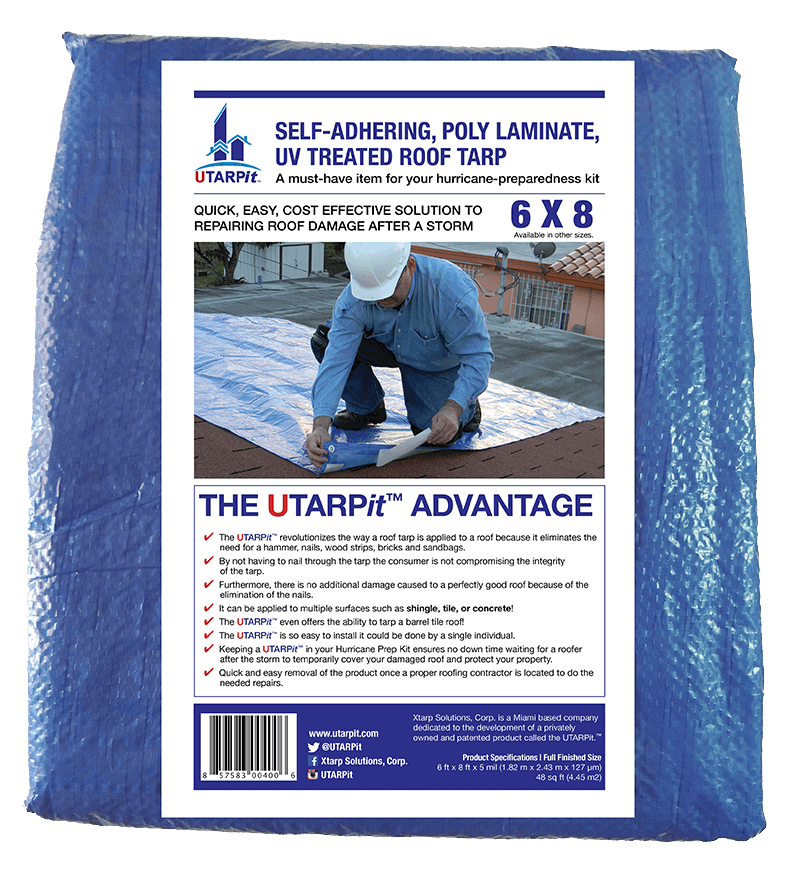
When it comes to protecting your roof, choosing the right tarp can make all the difference. Whether it’s for emergency repairs, long-term protection, or seasonal maintenance, selecting a tarp requires careful consideration of various factors such as material, size, and durability. This guide aims to provide a comprehensive overview of how to choose the best tarps for roof protection, ensuring that your investment is both effective and long-lasting.
Understanding Tarp Materials
Tarps are available in various materials, each offering unique benefits. Understanding these materials is crucial in making an informed decision.
Polyethylene Tarps
- Waterproof and UV-resistant, ideal for all-weather protection.
- Lightweight and easy to handle.
- Durable with reinforced edges to prevent tearing.
For more information on polyethylene tarps, find out more about this approach.
Canvas Tarps
- Breathable and suitable for covering equipment that needs ventilation.
- Resistant to mildew and can be treated for water resistance.
- Heavier than polyethylene, offering more stability in windy conditions.
Vinyl Tarps
- Extremely durable and ideal for long-term use.
- Resistant to chemicals and abrasions.
- Perfect for industrial applications and heavy-duty protection.
Key Considerations for Tarp Size
Choosing the correct size tarp is essential to ensure complete coverage and protection of your roof.
- Measure the area to be covered accurately to avoid any exposure.
- Consider tarps with extra length to secure them firmly in place.
- Opt for tarps with grommets spaced at shorter intervals for better anchorage.
Explore advanced guides and tips on selecting the appropriate tarp size.
Durability and Weather Resistance
The durability of a tarp is vital, especially in areas prone to harsh weather conditions.
- Check for UV resistance to prevent damage from prolonged sun exposure.
- Ensure the tarp is waterproof to protect against rain and snow.
- Look for reinforced corners and edges to withstand high winds.
Discover expert strategies here to enhance your tarp’s durability and weather resistance.
Installation and Maintenance
Proper installation and maintenance can extend the life of your tarp, providing continuous protection.
Installation Tips
- Ensure the tarp is securely fastened using bungee cords or ropes through the grommets.
- Use weights or sandbags to prevent the tarp from flapping in high winds.
- Regularly check for any wear and tear, especially after storms.
Maintenance Guidelines
- Clean the tarp with mild soap and water to remove dirt and debris.
- Store the tarp in a cool, dry place when not in use to prevent mold and mildew.
- Inspect for damages and repair any small tears promptly to avoid further deterioration.
For more detailed maintenance advice, learn about our tailored solutions.
Conclusion
Choosing the right tarp for roof protection involves careful consideration of several factors, including material, size, durability, and maintenance practices. By understanding these elements and utilizing expert resources, you can ensure that your roof remains protected against the elements. Whether you are facing a temporary repair or seeking long-term protection, the right tarp can provide the peace of mind and security you need.

