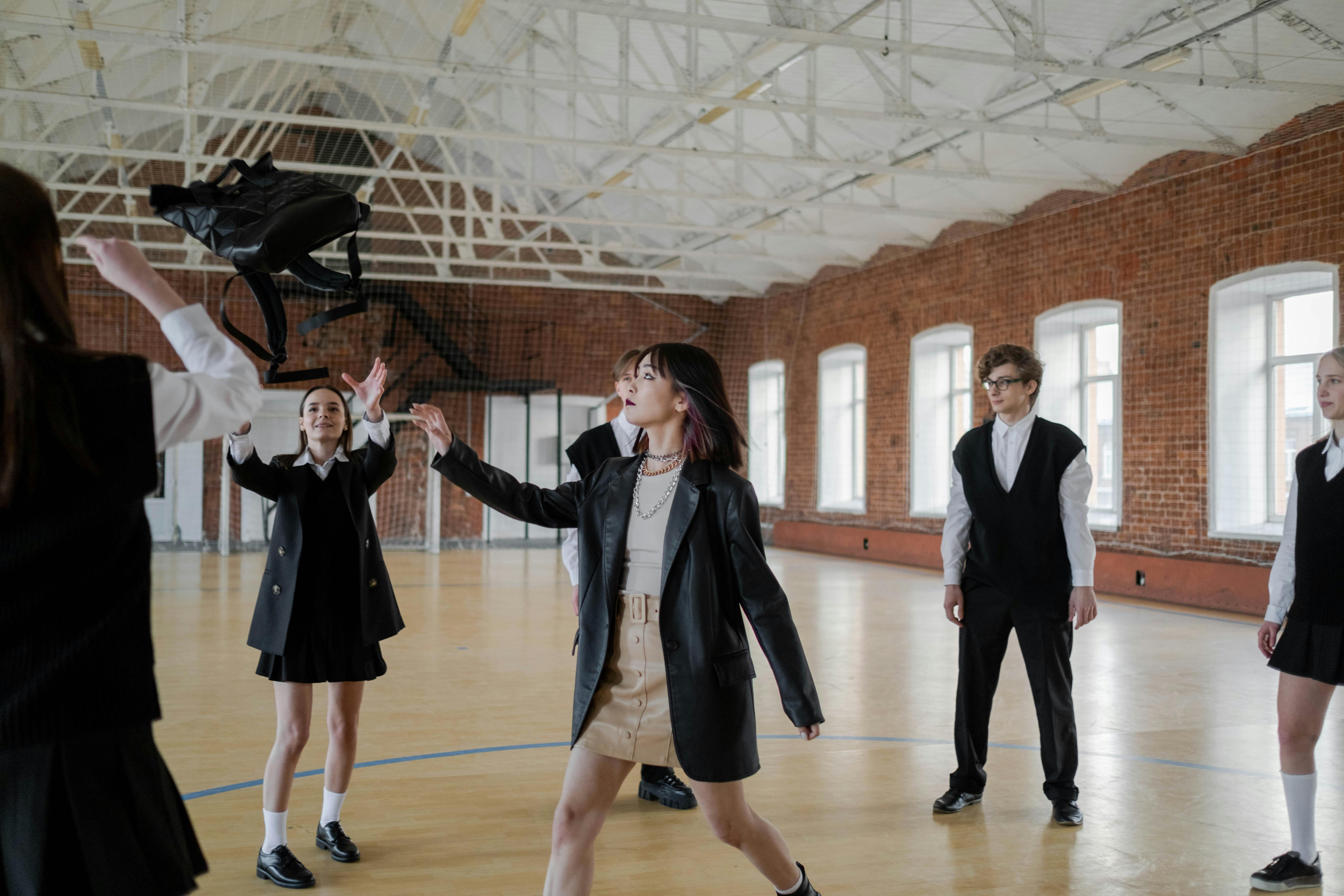
Education stands as a beacon of knowledge, shaping young minds and preparing them for the future. In the realm of high school education, faith-based and classical Catholic schools offer unique advantages rooted in tradition, values, and a comprehensive curriculum. These institutions prioritize a holistic approach, fostering both intellectual and spiritual growth. As families consider educational options, understanding the pillars of education offered by these schools becomes crucial. This article delves into the key elements that define faith-based and classical Catholic high schools, examining how they contribute to a student’s all-around development.
The Foundations of Faith-Based Education
Faith-based high schools integrate religious teachings with academic excellence, providing a nurturing environment for students. This approach offers several benefits:
- Value-Centered Learning: Students are taught to embody core values such as integrity, compassion, and service. This moral framework supports their personal growth and community involvement.
- Community and Belonging: These schools cultivate a strong sense of community through shared beliefs and traditions, fostering a supportive network among students, educators, and families.
- Balanced Curriculum: The curriculum not only meets academic standards but also includes religious studies, promoting a balanced education. Discover expert strategies here.
Classical Catholic Education: A Timeless Approach
Classical Catholic high schools emphasize a curriculum rooted in the liberal arts, blending classical education with Catholic teachings. This method is characterized by:
- Rigorous Academics: Students engage with a challenging curriculum that includes literature, philosophy, theology, and the sciences. This broad spectrum encourages critical thinking and intellectual curiosity.
- Faith and Reason: The integration of faith and reason allows students to explore complex ideas while grounding their understanding in Catholic doctrine. Learn about our tailored solutions here.
- Character Formation: Emphasis on virtues such as humility, gratitude, and perseverance helps shape students into well-rounded individuals ready to contribute positively to society.
Benefits of Combined Educational Models
Many high schools today are adopting a hybrid approach, combining elements of faith-based and classical Catholic education. This model offers:
- Comprehensive Development: Students benefit from both rigorous academics and moral teachings, ensuring they are well-prepared for the challenges of higher education and beyond.
- Personalized Learning: Tailored educational plans address individual student needs, maximizing their potential. Explore advanced guides and tips here.
- Global Perspective: By understanding diverse perspectives through a faith lens, students are equipped to engage thoughtfully with the world.
Choosing the Right Educational Path
Selecting the right high school is a pivotal decision that influences a student’s future. When considering faith-based or classical Catholic schools, it’s essential to evaluate:
- School Mission and Values: Alignment with family values and educational goals is crucial.
- Academic Rigor: The school’s curriculum should challenge and inspire students.
- Extracurricular Opportunities: A well-rounded education includes access to arts, sports, and community service. Find out more about this approach here.
In conclusion, faith-based and classical Catholic high schools provide a robust educational framework that nurtures both the mind and spirit. As families explore options, these institutions offer a path that blends tradition with modern educational practices, preparing students for a future where they can thrive and lead with integrity.

