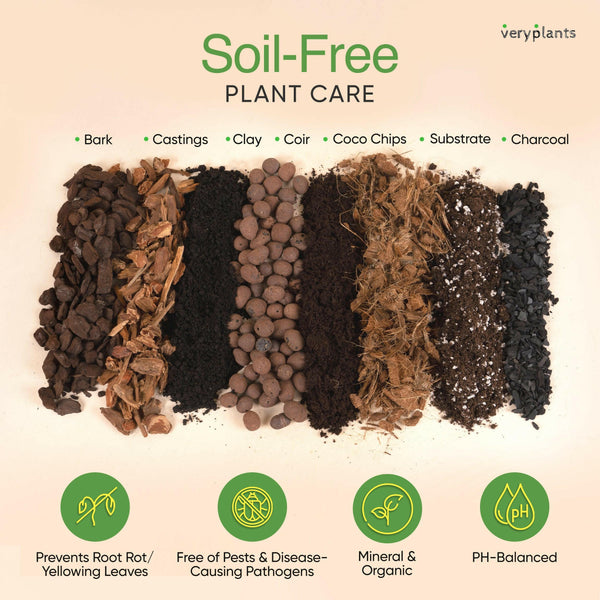
Indoor gardening offers a splendid way to bring nature into the home, enhancing indoor spaces with vibrant greenery. However, traditional soil is not always the best choice for potted indoor plants. It can be heavy, retain too much moisture, and attract pests. As a result, many gardening enthusiasts are turning to soilless potting mix as a more suitable option for their indoor plants. This article explores the various soil alternatives for indoor plants, focusing on their benefits and applications.
Understanding Soilless Potting Mix
Soilless potting mixes are made from a variety of natural and synthetic components that provide a suitable environment for plant growth without the use of traditional soil. These mixes are designed to be lightweight, well-draining, and nutrient-rich, making them ideal for indoor plant cultivation.
Components of Soilless Potting Mixes
- Peat Moss: A common base component known for its ability to retain moisture while remaining well-aerated.
- Coconut Coir: A sustainable alternative to peat moss, offering similar moisture retention and aeration properties.
- Perlite: A volcanic glass that has been expanded to create a lightweight, porous material that enhances drainage and aeration.
- Vermiculite: A mineral that expands when heated, providing moisture retention and aeration.
- Bark or Composted Wood Chips: Adds structure and aids in drainage, preventing compaction.
Advantages of Using Soilless Potting Mix
There are numerous benefits to using a soilless potting mix for indoor plants, making it a popular choice among gardeners.
- Enhanced Drainage and Aeration: The components of soilless potting mixes ensure excellent drainage and air circulation, preventing root rot and promoting healthy root systems.
- Consistent Quality: Unlike soil, which can vary greatly in composition, soilless mixes are manufactured to provide consistent quality and performance.
- Reduced Risk of Pests and Diseases: Without the organic matter found in soil, soilless mixes are less likely to harbor pests and diseases.
- Lightweight: Easier to handle and less likely to compact over time, soilless mixes are ideal for indoor pots and containers.
Choosing the Right Soilless Mix for Indoor Plants
Selecting the appropriate indoor potting mix depends on the specific needs of the plants being grown. Consider the following factors:
Plant Type and Requirements
- Succulents and Cacti: Require fast-draining mixes with more sand and perlite to prevent overwatering.
- Tropical Plants: Benefit from mixes that retain moisture, such as those containing peat moss or coconut coir.
- Orchids: Prefer mixes with bark or wood chips to mimic their natural growing environment.
Environmental Conditions
- Humidity Levels: In dry environments, choose mixes with higher moisture retention.
- Lighting Conditions: Plants in low-light areas may require different nutrient formulations compared to those in bright conditions.
Conclusion
Exploring soil alternatives for indoor plants can lead to healthier, more vibrant indoor gardens. Soilless potting mixes offer numerous advantages over traditional soil, including better drainage, reduced pest risks, and consistent quality. By understanding the various components and their benefits, as well as considering the specific needs of individual plants, gardeners can create an optimal growing environment that enhances plant health and growth.

