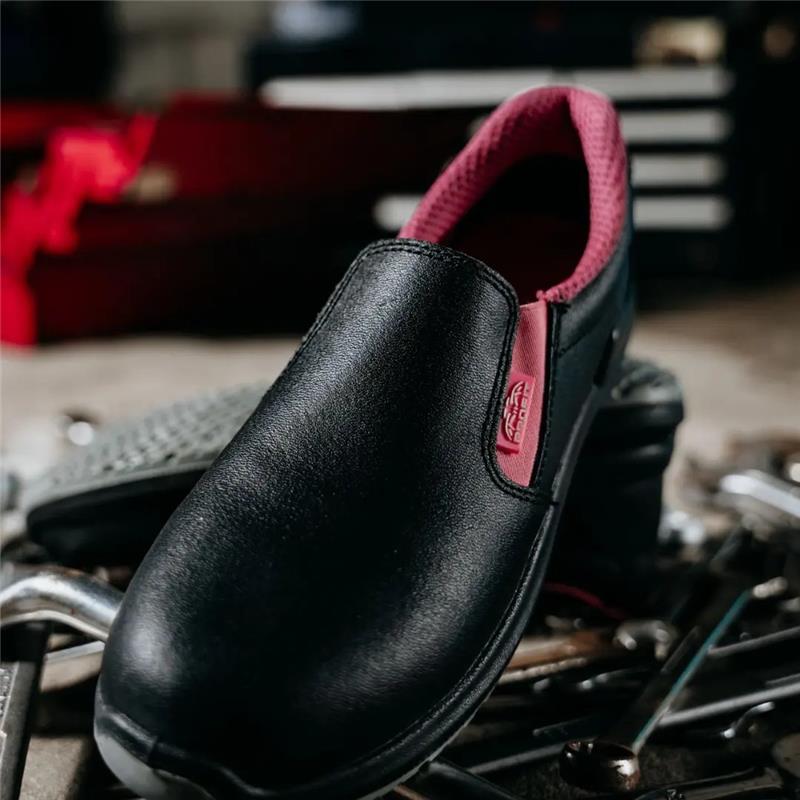
In the bustling environment of a factory, safety is paramount. Employees are often exposed to various hazards, from falling objects to slippery floors. Therefore, selecting the right footwear is crucial for ensuring safety and comfort throughout the workday. Among the available options, kevlar midsole boots stand out for their superior protection and durability. These boots are designed to withstand harsh working conditions while providing excellent foot support and protection. Understanding the benefits of kevlar midsole boots can help factory employees make informed decisions about their personal protective equipment.
Why Choose Kevlar Midsole Boots?
Kevlar midsole safety boots are specifically designed to offer enhanced protection in industrial settings. Here are some compelling reasons why they are a preferred choice for factory employees:
- Penetration Resistance: The kevlar midsole provides an excellent barrier against sharp objects, reducing the risk of puncture injuries from nails, glass, or metal shards.
- Lightweight Comfort: Despite the robust protection, kevlar is a lightweight material, ensuring that the boots do not add unnecessary weight, allowing employees to move freely and comfortably.
- Durability: Kevlar is known for its high resistance to wear and tear, making these boots a long-lasting investment for both employees and employers.
- Heat and Chemical Resistance: In environments where high temperatures or hazardous chemicals are present, kevlar midsole boots provide additional safety, shielding the feet from potential burns or chemical exposure.
- Non-Slip Soles: Many models feature slip-resistant soles, providing better traction on slick surfaces, thereby minimizing the risk of slips and falls.
Key Features to Consider
When selecting kevlar midsole safety boots for factories, there are several features to consider ensuring optimal performance and comfort:
Fit and Comfort
A proper fit is essential for comfort and safety. Boots should snugly fit without being too tight, allowing room for movement and proper circulation. Consider boots with cushioned insoles and breathable materials to enhance comfort during extended wear.
Toe Protection
Steel or composite toes are crucial for preventing injuries from heavy falling objects. Composite toes are often preferred for their lighter weight and better insulation properties, particularly in environments with extreme temperatures.
Waterproofing and Breathability
In factories where exposure to liquids is common, waterproof boots are essential. However, they should also offer breathability to prevent moisture buildup inside the boot, which can lead to discomfort and potential skin issues.
Compliance with Safety Standards
Ensure that the boots meet or exceed industry safety standards. This provides assurance that they offer the necessary protection and are manufactured to withstand the rigors of industrial use.
Implementing Safety Footwear Policies
Employers play a critical role in the implementation of safety footwear policies. Here are some steps to consider:
- Conduct a Workplace Hazard Assessment: Identify the specific risks present in the factory environment to determine the appropriate safety footwear requirements.
- Provide Training and Information: Educate employees on the importance of wearing the correct protective footwear and how to properly care for their boots to maximize their lifespan.
- Offer a Selection of Approved Footwear: Provide employees with a range of approved safety boot options that meet the necessary safety standards and fit their specific job roles.
- Regular Review and Update Policies: Continuously assess and update safety policies to reflect changes in the workplace environment and advancements in safety footwear technology.
The selection of appropriate protective footwear, such as kevlar midsole boots, is vital for the safety and well-being of factory employees. By considering the unique features and benefits of these boots, employees can ensure they are well-protected against the hazards they face daily. Employers can further support this by establishing comprehensive safety footwear policies that prioritize employee safety and compliance with industry standards.

