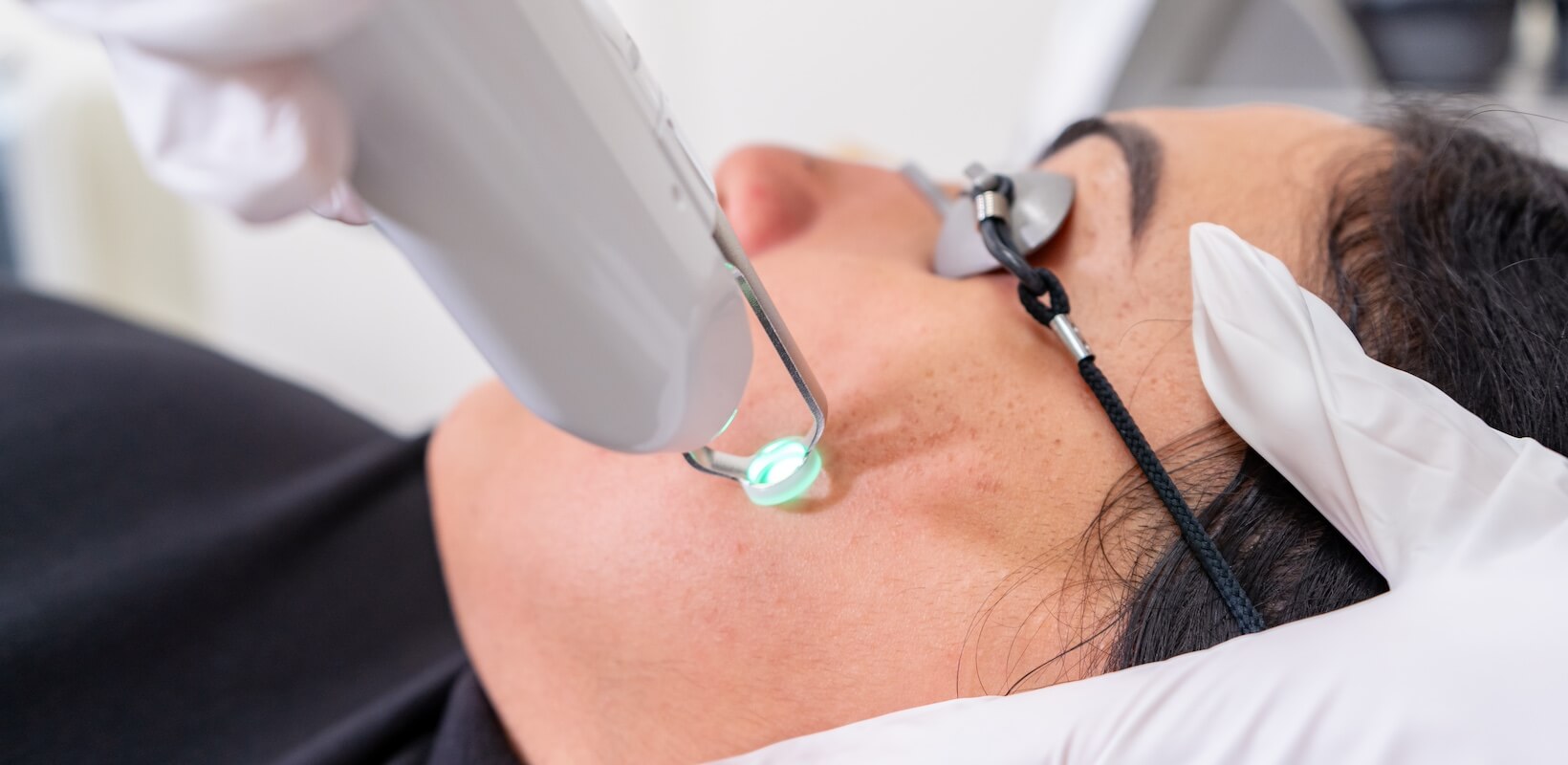
Acne is a common skin condition that affects millions of individuals worldwide. It can be a source of great discomfort and embarrassment for many, prompting a search for effective treatments. While traditional methods like topical creams and antibiotics are popular, they may not work for everyone. In recent years, laser treatment has emerged as a promising option for those seeking a more advanced approach to managing acne. This article explores various laser treatment options, highlighting their benefits and considerations.
Understanding Laser Treatment for Acne
Laser treatments for acne utilize concentrated light beams to target the skin’s surface. This method is designed to reduce the prevalence of acne-causing bacteria, decrease sebum production, and promote skin healing. There are different types of lasers used in acne treatment, each with distinct mechanisms and benefits.
Types of Laser Treatments
- Pulsed Dye Laser (PDL): This laser reduces inflammation by targeting blood vessels that feed acne lesions.
- Diode Laser: Ideal for targeting oil glands, it helps reduce acne by minimizing sebum production.
- Fractional Laser: Known for its ability to treat acne scars, it promotes collagen production for smoother skin.
- Blue Light Therapy: A non-invasive option that targets the bacteria responsible for acne.
Benefits of Laser Acne Treatment
Individuals considering Laser Active Acne Treatment can anticipate several advantages:
- Non-invasive and relatively painless procedure.
- Reduction in acne severity and frequency.
- Improvement in skin texture and tone.
- Minimal recovery time, allowing for quick resumption of daily activities.
- Potential long-term results with consistent treatment and care.
Considerations Before Opting for Laser Treatment
While laser treatment offers promising results, it is essential to consider the following factors:
- Skin Type: Different laser types are suitable for different skin tones. Consulting with a qualified dermatologist is crucial to determine the best option.
- Cost: Laser treatments can be expensive, and insurance may not cover the cost as it is often considered a cosmetic procedure.
- Side Effects: Possible side effects include redness, swelling, and temporary discomfort. These are generally mild and resolve quickly.
- Treatment Duration: Multiple sessions are typically required for optimal results.
What to Expect During and After Treatment
Understanding the treatment process can help set realistic expectations:
- Initial Consultation: A thorough skin evaluation to determine the most appropriate laser treatment.
- Treatment Sessions: Each session lasts between 15 to 60 minutes, depending on the area treated.
- Post-Treatment Care: Patients may be advised to avoid sun exposure and use prescribed skincare products to aid recovery.
- Gradual Improvement: Noticeable improvements are often seen after a few sessions, with full results visible after completing the treatment course.
Conclusion
Laser treatment offers a sophisticated solution for individuals struggling with acne, providing an alternative to traditional methods. By targeting the root causes of acne, laser therapy can lead to significant improvements in skin health and appearance. It is crucial to consult with a healthcare professional to tailor the treatment to individual needs and circumstances. As technology continues to advance, laser treatment remains at the forefront of innovative acne solutions.

