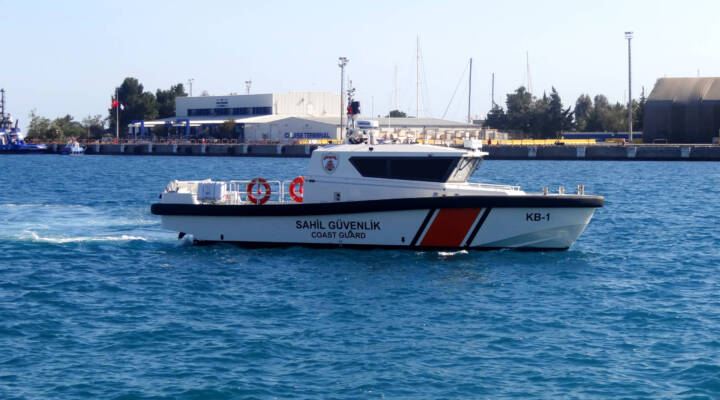
Marine wet exhaust systems have become a cornerstone of modern vessel design, offering a blend of acoustic reduction, corrosion resistance, and fuel efficiency. By routing exhaust gases through a water-filled manifold, these systems lower temperature, diminish noise, and protect engine components from harsh marine environments. Understanding the principles, benefits, and best-practice installation techniques is essential for naval architects, marine engineers, and vessel owners who seek reliable performance without compromising comfort.
How Wet Exhaust Systems Work
A wet exhaust system mixes exhaust gases with seawater before they exit the vessel. The water cools the gases, reduces their temperature, and acts as a sound-absorbing medium. The basic components include:
- Exhaust manifold – channels hot gases from the engine.
- Water injection pump – introduces a controlled flow of seawater.
- Mixing chamber – where gases and water combine.
- Discharge outlet – releases the cooled, diluted exhaust to the sea.
Because the exhaust is cooled below the boiling point of water, it exits the system as a low-temperature, low-velocity plume, dramatically decreasing acoustic signatures. For a deeper dive into the technical details, Read more about this topic.
Key Advantages of Wet Exhaust
Noise Reduction
The water layer acts as a natural muffler, absorbing sound waves generated by combustion. Vessels equipped with wet exhaust often meet stringent maritime noise regulations, making them suitable for recreational craft, research vessels, and patrol boats that operate in noise-sensitive areas.
Corrosion Protection
By keeping exhaust gas temperatures low, the system minimizes thermal stress on metal components. This reduces the rate of corrosion on the exhaust manifold and downstream piping, extending service life and lowering maintenance costs.
Fuel Efficiency
Lower back-pressure in a properly designed wet exhaust system can improve engine breathing, resulting in marginal fuel savings. The cooling effect also allows engines to run at optimal temperatures, further enhancing efficiency.
Design Considerations
When specifying a wet exhaust system, several factors influence performance and reliability:
- Engine power output: The water-to-exhaust ratio must be sized to handle peak flow rates.
- Hull configuration: Placement of the discharge outlet should avoid re-ingestion of exhaust gases.
- Water quality: Filtration is essential to prevent fouling of the pump and mixing chamber.
- Regulatory compliance: Local emissions and noise standards dictate minimum performance thresholds.
For detailed guidelines on selecting the appropriate system capacity, Explore further insights here.
Installation Best Practices
Proper installation ensures the system delivers its intended benefits. Follow these steps:
- Mount the exhaust manifold securely to the engine block, using vibration-isolating brackets.
- Route the water injection line with minimal bends to reduce pressure loss.
- Install a corrosion-resistant pump with an adjustable flow control valve.
- Position the mixing chamber below the waterline to guarantee sufficient sub-mersion.
- Verify that the discharge outlet is clear of hull appendages and directed away from the vessel’s wake.
Regular inspection of seals, gaskets, and pump impellers is crucial for long-term reliability. To understand maintenance schedules and recommended inspection intervals, Find additional information here.
Environmental Impact
Wet exhaust systems contribute positively to marine ecosystems by reducing thermal pollution and acoustic disturbance. The cooled exhaust plume minimizes the temperature differential between discharged water and surrounding sea water, lessening the risk of localized thermal stress on marine life. Additionally, lower noise levels help protect cetaceans and other species sensitive to underwater sound.
Conclusion
Quiet and efficient marine wet exhaust systems represent a mature technology that balances performance, durability, and environmental stewardship. By integrating proper design, installation, and maintenance practices, vessel operators can achieve significant reductions in noise and corrosion while enjoying modest gains in fuel efficiency. As maritime regulations evolve and the demand for quieter, greener vessels grows, wet exhaust solutions will continue to play a pivotal role in modern marine engineering.

