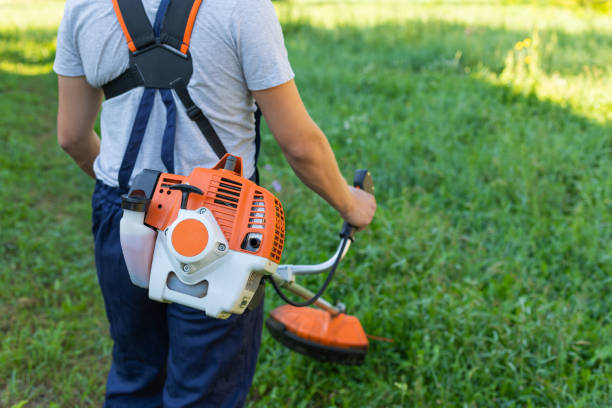
Mastering the technique of using a brush saw can transform the way land clearing and maintenance tasks are approached. Brush saws, known for their efficiency in cutting through dense underbrush and small trees, require a certain level of skill and expertise to operate safely and effectively. Whether one is seeking to improve their proficiency or gain certification, understanding the nuances of brush saw operation is essential. This article delves into various cutting techniques, safety protocols, and training opportunities that ensure users can handle these powerful tools with confidence and accuracy.
Understanding the Basics of Brush Saw Operation
Before diving into advanced techniques, it is important to grasp the fundamental operations of a brush saw. Here are key components and actions that form the foundation of proficient saw handling:
- Familiarize with different parts of the brush saw, including the engine, handle, and cutting blade.
- Understand the function of each part to ensure correct and safe usage.
- Learn to balance the saw properly to reduce fatigue and improve control.
Essential Cutting Techniques
Developing proper cutting techniques can significantly enhance efficiency and safety. Key techniques include:
- Swathe Cutting: This technique involves cutting in a sweeping motion, which is effective for clearing wide areas of underbrush.
- Underbuck Technique: Used for cutting small trees, this method involves making an initial cut on the compression side of the tree and finishing on the tension side.
- Scalping: Removing the top layer of soil or sod to prevent regrowth in cleared areas.
For those eager to refine their skills, exploring brush saw cutting techniques through formal training can be invaluable.
Safety Protocols and Certification
Safety is paramount when operating a brush saw. To minimize risk, operators must adhere to established safety protocols and consider formal training options:
Essential Safety Tips
- Always wear appropriate personal protective equipment (PPE) such as gloves, eye protection, and boots.
- Conduct a brush saw maintenance and inspection before each use to ensure the equipment is in good condition.
- Maintain a safe distance from other people and structures while operating the saw.
- Be aware of surroundings and terrain to avoid accidents.
Professionals seeking to enhance their safety knowledge can benefit from brush saw safety training programs. Additionally, obtaining brush saw certification alberta can be an excellent way to formalize one’s expertise.
Training Opportunities for Mastery
Achieving mastery in brush saw operation often involves formal education and certification. Numerous training programs are available to hone skills:
- Enroll in clearing saw courses to gain comprehensive knowledge and hands-on experience.
- Consider clearing saw operator training for advanced skills in complex environments.
- Explore chainsaw and brush saw safety courses to understand the intricacies of operating these tools safely.
For those in the Edmonton area, edmonton brush saw certification and clearing saw safety training edmonton offer tailored programs to meet local needs.
In conclusion, mastering brush saw cutting techniques requires an understanding of fundamental operations, commitment to safety, and willingness to pursue ongoing education. By integrating these practices, operators can ensure they use their tools efficiently and safely, contributing positively to their projects and the environment.