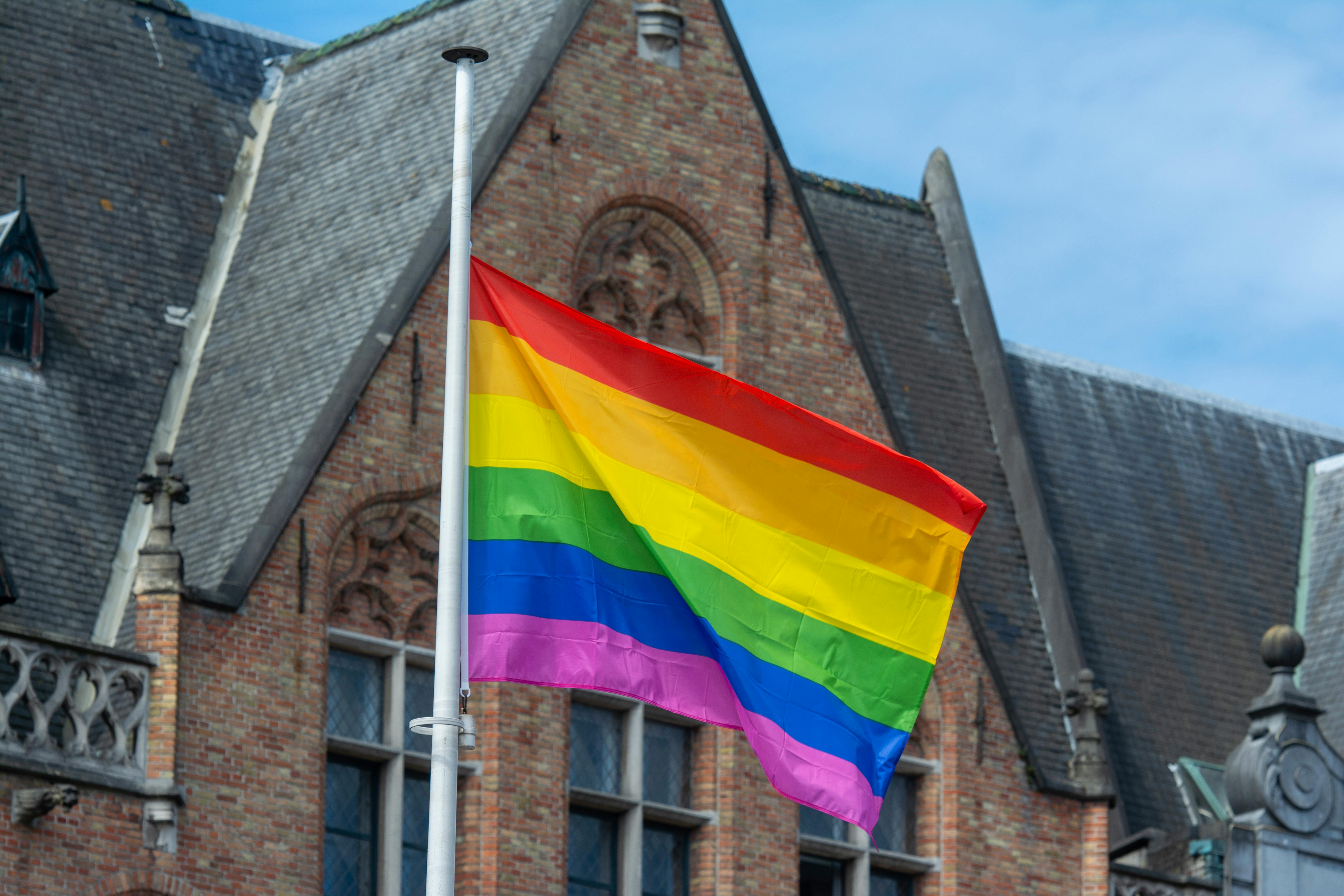
Pride flags are more than just vibrant pieces of fabric; they are powerful symbols representing the diversity and unity within the LGBTQ+ community. Over the years, various pride flags have been created to reflect the unique experiences, identities, and histories of different groups. Understanding the meaning behind each flag is crucial for fostering inclusivity and recognizing the multifaceted nature of the community. This comprehensive guide delves into the significance of several key pride flags, providing insights into their origins and what they stand for. For further exploration of these flags, consider visiting this resource here.
The Rainbow Flag
The most iconic of all pride flags, the rainbow flag was designed by Gilbert Baker in 1978. Each of its colors has a distinct meaning:
- Red: Life
- Orange: Healing
- Yellow: Sunlight
- Green: Nature
- Blue: Harmony
- Purple: Spirit
This flag has become synonymous with LGBTQ+ pride and is a universal symbol for the community. To delve deeper into the history and variations of the rainbow flag, explore advanced guides and tips.
Bisexual Pride Flag
Introduced by Michael Page in 1998, the bisexual pride flag consists of three horizontal stripes:
- Pink: Attraction to the same sex
- Purple: Attraction to both sexes
- Blue: Attraction to the opposite sex
The flag serves to increase visibility and recognition of the bisexual community. For those interested in the design’s detailed symbolism, discover expert strategies here.
Transgender Pride Flag
Created by Monica Helms in 1999, the transgender pride flag features five horizontal stripes:
- Light Blue: Traditional color for boys
- Pink: Traditional color for girls
- White: For those who are transitioning or identify as having a neutral or undefined gender
The flag is designed such that it is always correct, regardless of how it is flown. This represents finding correctness in one’s life. Learn about the tailored solutions for representing transgender pride here.
Asexual Pride Flag
The asexual pride flag, introduced in 2010, consists of four stripes:
- Black: Asexuality
- Grey: Grey-asexuality and demisexuality
- White: Non-asexual partners and allies
- Purple: Community
This flag highlights the nuances within the asexual spectrum. To find out more about this approach, consider exploring further resources.
Pansexual Pride Flag
The pansexual pride flag, aimed at increasing awareness of pansexual individuals, comprises three horizontal stripes:
- Pink: Attraction to those who identify as female
- Yellow: Attraction to those who identify as genderqueer, agender, or non-binary
- Blue: Attraction to those who identify as male
This flag represents the pansexual community’s belief in attraction to all genders. For a comprehensive understanding, learn about our tailored solutions.
Conclusion
The diverse range of pride flags serves as a testament to the rich tapestry of identities within the LGBTQ+ community. Each flag carries deep meanings and histories, fostering a sense of belonging and visibility. To continue exploring these symbols and their significance, consider visiting this resource for further insights and expert guidance.

