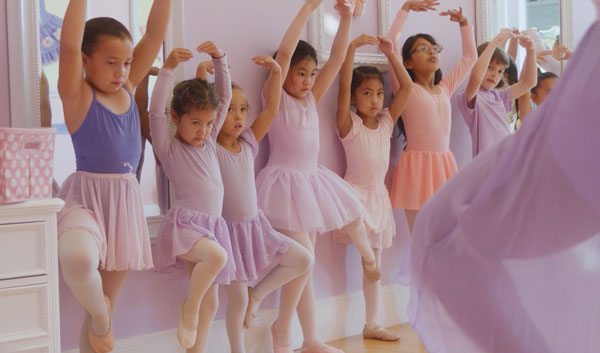
Dance classes for infants are gaining popularity as parents and guardians recognize the multitude of benefits they offer. These classes are not merely about teaching dance routines; they encompass a comprehensive developmental experience for young children. Engaging in dance from an early age can foster physical, emotional, and social growth in infants. This article explores the various advantages of enrolling infants in dance classes and how these early experiences can contribute to a child’s overall development.
Physical Development
Dance classes can significantly enhance an infant’s physical abilities. Here are some key physical benefits:
- Improved Coordination: Dance movements help infants develop better hand-eye coordination and spatial awareness.
- Enhanced Flexibility: Regular stretching and movement enhance flexibility and promote a healthy range of motion.
- Increased Strength: The physical activities involved in dance build muscle strength and improve balance.
For more information on how dance can aid physical development, read more about this topic.
Emotional and Cognitive Growth
Dance classes are not just about physical activity; they also play a crucial role in emotional and cognitive development. Here”?s how:
- Emotional Expression: Dance provides a medium for infants to express emotions, aiding in emotional understanding and regulation.
- Boosted Creativity: Through dance, infants explore different ways of expression, fostering creativity and imagination.
- Improved Cognitive Skills: Learning dance routines can enhance memory and cognitive skills as children learn to follow instructions and sequences.
To learn more in this detailed guide about the cognitive benefits of dance, visit our resource.
Social Interaction
Dance classes offer a social environment where infants can interact with peers, which is vital for developing social skills:
- Teamwork: Participating in group activities helps infants understand the importance of teamwork and cooperation.
- Communication Skills: Dance encourages non-verbal and verbal communication, enhancing interaction skills.
- Building Confidence: Performing in front of others boosts self-confidence and helps overcome shyness.
Explore further insights here on how dance classes can foster social skills.
Parental Involvement
Dance classes often invite parental participation, which can strengthen the bond between parents and their infants. Here are some benefits of parental involvement:
- Shared Experiences: Parents and children can share joyful moments, creating lasting memories.
- Understanding Development: Parents gain insights into their infant’s developmental progress and how they can support it.
- Supportive Environment: A supportive class environment encourages both infants and parents to engage actively.
Find additional information here about the role of parents in dance classes.
Conclusion
In conclusion, dance classes for infants provide a rich tapestry of benefits that contribute to physical, emotional, cognitive, and social development. These classes offer a nurturing environment where infants can grow and explore their potential. For parents considering such classes, they provide an opportunity to play an active role in their child’s developmental journey. By engaging in dance, infants can lay a strong foundation for a healthy and active lifestyle. For more detailed insights, explore further insights here.

