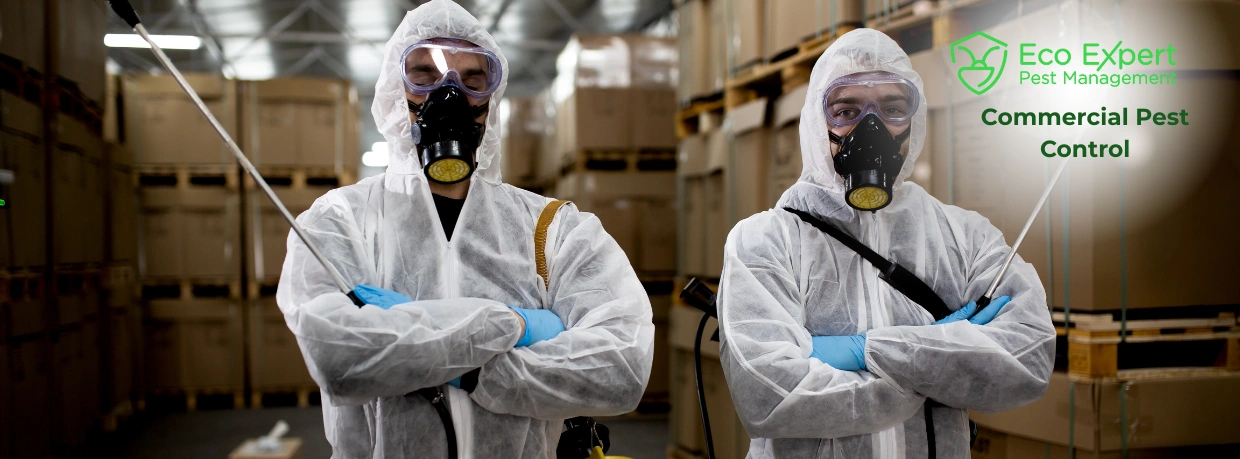
The importance of maintaining a pest-free environment in food premises cannot be overstated. Not only does it ensure the health and safety of consumers, but it also protects the reputation of the business and prevents costly damages to property. In this article, we will delve into the world of commercial pest control services, exploring the benefits, strategies, and best practices for effective management.
Understanding the Risks of Pest Infestation
Pests can pose a significant threat to food premises, contaminating products, and compromising the quality of food. Rodents, cockroaches, and flies are just a few examples of pests that can cause extensive damage, leading to costly repairs and even business closure. Regular pest control services are essential to prevent infestations, ensure compliance with food safety regulations, and maintain a clean and hygienic environment.
Prevention is Key
Preventing pest infestations requires a proactive approach. Effective strategies include:
- Regularly inspecting the premises for signs of pests
- Sealing all entry points to prevent re-infestation
- Properly storing food and waste to prevent attracting pests
- Implementing integrated pest management (IPM) techniques
Commercial Pest Control Services
Commercial pest control services play a critical role in maintaining a pest-free environment. These services typically involve a combination of:
- Initial assessments to identify pest species and severity of infestation
- Developing tailored treatment plans to address specific pest issues
- Implementing non-chemical and chemical control methods as needed
- Regular monitoring and maintenance to prevent re-infestation
For businesses seeking expert advice and tailored solutions, Discover expert strategies here to ensure effective pest management.
Advanced Guides and Tips
In addition to commercial pest control services, businesses can also benefit from advanced guides and tips on pest management. These resources can provide valuable insights on:
- Best practices for IPM
- Effective communication with pest control professionals
- Strategies for preventing pest re-infestation
- Understanding local regulations and compliance
To learn more about these topics and gain a deeper understanding of pest management, explore the advanced guides and tips available online.
Conclusion
Maintaining a pest-free environment in food premises requires a comprehensive approach to pest management. By understanding the risks of pest infestation, implementing prevention strategies, and seeking expert advice, businesses can ensure a clean, hygienic, and safe environment for consumers. Regular pest control services, combined with advanced guides and tips, can provide businesses with the knowledge and tools needed to maintain a pest-free environment and protect their reputation.

