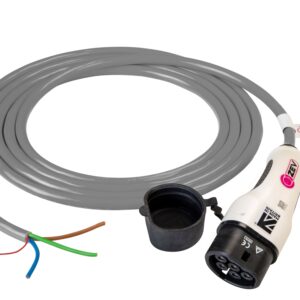
As electric vehicles (EVs) continue to revolutionize the automotive industry, the need for efficient and reliable car charging solutions becomes increasingly crucial. One of the fundamental components to ensure seamless electric vehicle operation is the car charging cable. Selecting the right charging cable for your EV can significantly impact charging efficiency, convenience, and overall vehicle performance. This article will guide you through the essential factors to consider when choosing a car charging cable, helping you make an informed decision that aligns with your vehicle’s needs.
Understanding Electric Vehicle Charging Cables
Charging cables serve as the critical link between your electric vehicle and the power source. They come in various types, each suited to different charging environments and vehicle models. It is essential to understand these differences to ensure compatibility and efficiency.
Types of Charging Cables
- Type 1: Commonly used in older EV models and some American vehicles. It supports single-phase charging and is ideal for home or workplace charging.
- Type 2: Widely adopted in Europe and considered the standard connector for most modern EVs. It supports both single-phase and three-phase charging, offering greater flexibility.
- CCS (Combined Charging System): An extension of the Type 2 connector, it allows for faster charging capabilities, making it suitable for rapid charging stations.
- CHAdeMO: Predominantly used by Japanese car manufacturers, it facilitates quick charging and is a popular choice for fast charging stations.
Factors to Consider When Choosing a Charging Cable
Choosing the right charging cable involves several considerations to ensure compatibility and efficiency. Here are key factors to consider:
Compatibility with Your Vehicle
Ensure that the cable type is compatible with your vehicle’s charging port. Refer to your vehicle’s manual or Discover expert strategies here to find the right cable for your specific make and model.
Charging Speed Requirements
Consider your charging speed needs. If rapid charging is a priority, opt for a cable that supports higher power outputs. For more details on selecting the right speed, Find out more about this approach.
Cable Length and Flexibility
Evaluate the appropriate cable length based on your typical charging setup. Longer cables offer more flexibility, particularly in public charging stations. Learn about the importance of cable length and flexibility by exploring advanced guides and tips.
Durability and Weather Resistance
Choose cables that are robust and can withstand various weather conditions. Look for cables with high-quality insulation and protection against wear and tear. Learn about our tailored solutions for durable and weather-resistant options.
Additional Features and Accessories
Beyond basic functionality, some charging cables come with additional features that enhance user experience and safety:
- Smart Charging Capabilities: Some cables offer smart features such as scheduled charging and energy consumption monitoring.
- Safety Features: Look for cables with built-in safety features like overcurrent protection and temperature control.
- Storage Solutions: Consider cables that come with convenient storage options to maintain tidiness and protect from damage when not in use.
By carefully evaluating these factors and understanding the nuances of each cable type, EV owners can make an informed choice that enhances their vehicle’s performance and charging efficiency. For a comprehensive selection of high-quality charging cables tailored to various needs, explore advanced guides and tips.

