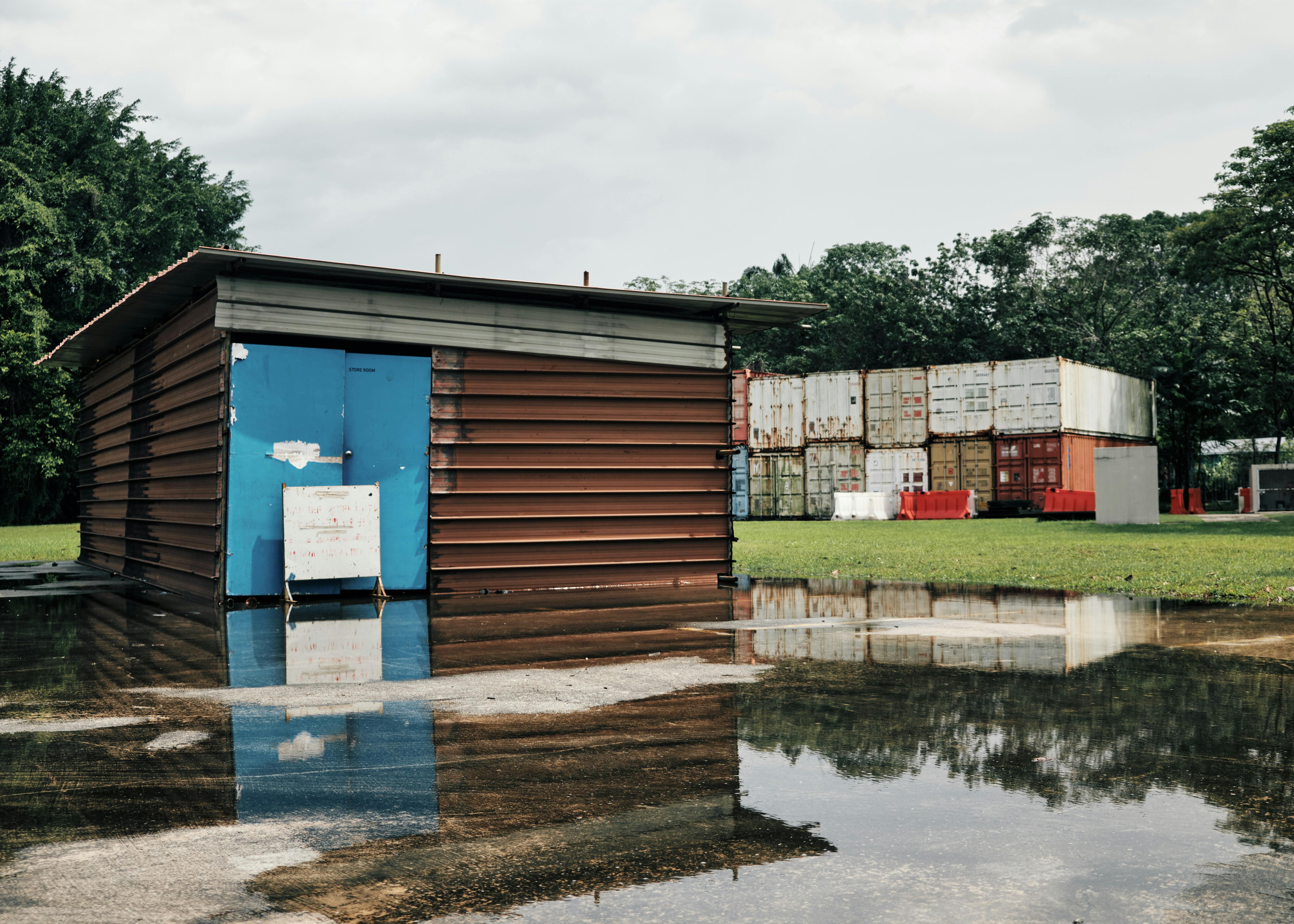
Finding the right outdoor shed quickly can feel overwhelming, especially when weather resistance is a top priority. Homeowners and hobbyists alike need a structure that protects tools, equipment, or seasonal décor from rain, snow, and UV exposure while blending seamlessly with the surrounding landscape. This guide walks you through the essential factors to consider, highlights the most reliable materials, and points you toward trusted resources so you can locate a high-quality, weather-resistant shed near you without the guesswork.
Key Features of Weather-Resistant Outdoor Sheds
Material Choices
- Pressure-treated wood: Treated to resist rot and insect damage, ideal for humid climates.
- Steel with powder coating: Provides excellent durability and is virtually immune to rust when properly coated.
- High-density polyethylene (HDPE): Lightweight, low-maintenance, and naturally resistant to moisture.
- Composite panels: Combine the strength of wood fibers with polymer resilience for a balanced solution.
Design Elements That Keep Water Out
- Sloped roofs with adequate overhang to channel rain away from the walls.
- Sealed seams and weatherstripping around doors and windows.
- Ventilation systems that prevent condensation without compromising insulation.
- Elevated foundations or concrete footings to avoid ground moisture.
How to Locate a Reliable Shed Supplier Near You
Local search results often surface a mix of large retailers, specialty manufacturers, and independent carpenters. To narrow the field, focus on providers that emphasize durability, offer clear warranty terms, and provide detailed product specifications. For a curated list of vetted options, Discover expert strategies here. This resource aggregates regional dealers known for delivering high-quality, weather-proof models.
Evaluating Supplier Credibility
- Check customer reviews on third-party platforms for unbiased feedback.
- Verify that the company offers a written warranty covering structural integrity and weather resistance.
- Look for certifications such as ISO 9001 or industry-specific durability testing.
- Confirm that replacement parts and accessories are readily available.
Installation Tips for Maximum Longevity
Even the best-crafted shed can suffer premature wear if installed incorrectly. Follow these best practices to ensure your shed remains a protective haven for years to come.
Site Preparation
- Clear vegetation and level the ground to within a 1-inch tolerance.
- Lay a moisture barrier, such as landscape fabric, under the foundation.
- Use pressure-treated sleepers or a concrete slab to create a stable base.
Assembly Guidelines
- Follow the manufacturer’s step-by-step manual; skip no safety warnings.
- Apply a high-quality exterior sealant to all exterior joints.
- Install gutters or a drip edge to direct runoff away from the shed walls.
- Secure the structure to the ground with anchor bolts to resist wind uplift.
Maintenance Practices to Preserve Weather Resistance
Regular upkeep extends the life of any outdoor structure. Simple, scheduled tasks can prevent costly repairs down the line.
- Inspect roof panels and flashing after major storms; replace any damaged sections promptly.
- Reapply protective sealant or paint every 3-5 years, depending on exposure.
- Clear debris from gutters and vents to maintain proper drainage.
- Check door hinges and locks for rust; lubricate with silicone spray as needed.
Choosing the Right Size and Style
Assess the intended use of your shed before deciding on dimensions. A garden tool storage unit may only need a 6×8 foot footprint, while a workshop with a workbench could require 12×16 feet or larger. Consider door placement for easy access and the possibility of future expansion.
Style Considerations
- Gable roofs: Classic look, excellent for shedding water.
- Lean-to designs: Ideal for attaching to an existing structure.
- Barn-style: Offers extra loft space for lightweight storage.
Where to Find Detailed Guides and Expert Advice
For deeper insight into selecting, installing, and maintaining a weather-resistant shed, additional resources can be invaluable. Learn about our tailored solutions. This site hosts a library of articles, videos, and FAQs that address common concerns and advanced topics alike.
Another useful reference is the comprehensive guide that covers material science, climate considerations, and cost-benefit analysis. Explore advanced guides and tips. By reviewing these materials, you’ll be equipped to make an informed decision that aligns with both budget constraints and long-term durability goals.
Conclusion
Choosing a weather-resistant outdoor shed near you involves evaluating material quality, supplier reputation, and proper installation techniques. By following the criteria outlined above and leveraging specialized resources, you can secure a shed that protects your belongings from the elements while adding functional value to your property. The right shed not only withstands rain, snow, and sun but also integrates smoothly with your outdoor space, delivering peace of mind for years to come.

