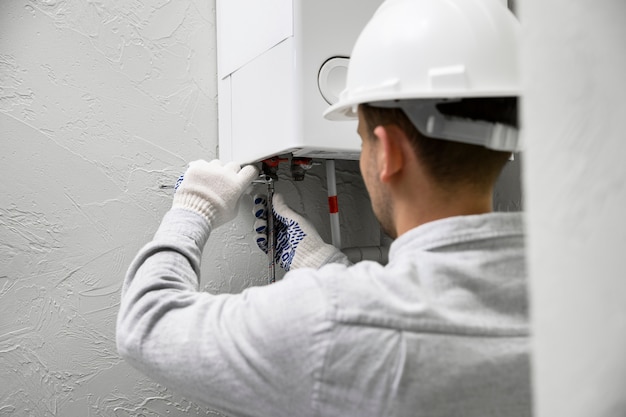
Water leaks can silently damage a home, especially in the older buildings common throughout San Francisco. Early detection not only saves money but also protects structural integrity and indoor air quality. Homeowners who understand the signs of hidden leaks and know how to respond are better equipped to prevent costly repairs and mold growth. Below are practical tips and resources that empower any resident to stay ahead of water damage.
Recognize the Early Warning Signs
Even before a visible puddle appears, subtle clues can indicate a problem:
- Unexplained increase in water bills.
- Damp or musty odors in basements, closets, or under flooring.
- Warmer spots on walls or floors that feel cool to the touch.
- Visible water stains, discoloration, or peeling paint.
- Sound of running water when all fixtures are turned off.
When any of these symptoms arise, it’s wise to act quickly. Discover expert strategies here to guide the next steps.
DIY Inspection Techniques
Visual Checks
Start with a thorough visual inspection:
- Inspect under sinks, around toilets, and behind appliances for moisture.
- Examine exposed plumbing in crawl spaces and basements for corrosion or mineral buildup.
- Look for condensation on pipes, which can signal leaks in colder months.
Meter Test
Turn off all water-using appliances, then record the water meter reading. Wait an hour without using water and check the meter again. A change indicates a hidden leak.
Use Simple Tools
Consider these affordable tools for a more precise assessment:
- Moisture meters – detect humidity within walls and floors.
- Infrared thermometers – reveal temperature differences that suggest moisture.
- Food-grade dye – add a few drops to the toilet tank; colored water in the bowl signals a leak.
When Professional Help Is Needed
While many leaks can be identified with basic checks, some require specialized equipment such as acoustic listening devices or thermal imaging cameras. Professional leak detection services can pinpoint hidden sources without extensive demolition.
For residents seeking a reliable partner, Explore advanced guides and tips that outline the latest technologies used in the field.
Preventive Maintenance Practices
- Regularly inspect pipe joints and fittings for signs of wear.
- Maintain proper drainage around the foundation to keep water away from walls.
- Seal cracks in exterior walls promptly to prevent moisture infiltration.
- Install water-shutoff valves on major appliances for quick isolation.
- Schedule annual plumbing inspections with a certified technician.
Choosing the Right Leak Detection Service in San Francisco
Key factors to consider include:
- Certification and experience of technicians.
- Use of non-destructive detection methods.
- Transparent pricing and detailed reporting.
- Availability of emergency response.
For a curated list of reputable providers, Find out more about this approach and compare service offerings.
Customer Feedback and Trust
Reading real experiences can help homeowners feel confident in their choice. Check out customer reviews here to see how other San Francisco residents have benefited from timely leak detection and repair.
Quick Action Checklist
- Notice any of the early warning signs.
- Perform a meter test to confirm a leak.
- Conduct visual and tool-assisted inspections.
- Document findings with photos and notes.
- Contact a qualified leak detection professional if the source remains unclear.
- Implement preventive measures to avoid future incidents.
Conclusion
Proactive leak detection is essential for protecting a San Francisco home against water damage and the associated costs. By staying alert to subtle signs, using simple inspection methods, and engaging skilled professionals when needed, homeowners can maintain a dry, safe, and valuable living environment. For more detailed guidance, the resources linked throughout this article provide a solid foundation for effective water leak management.

