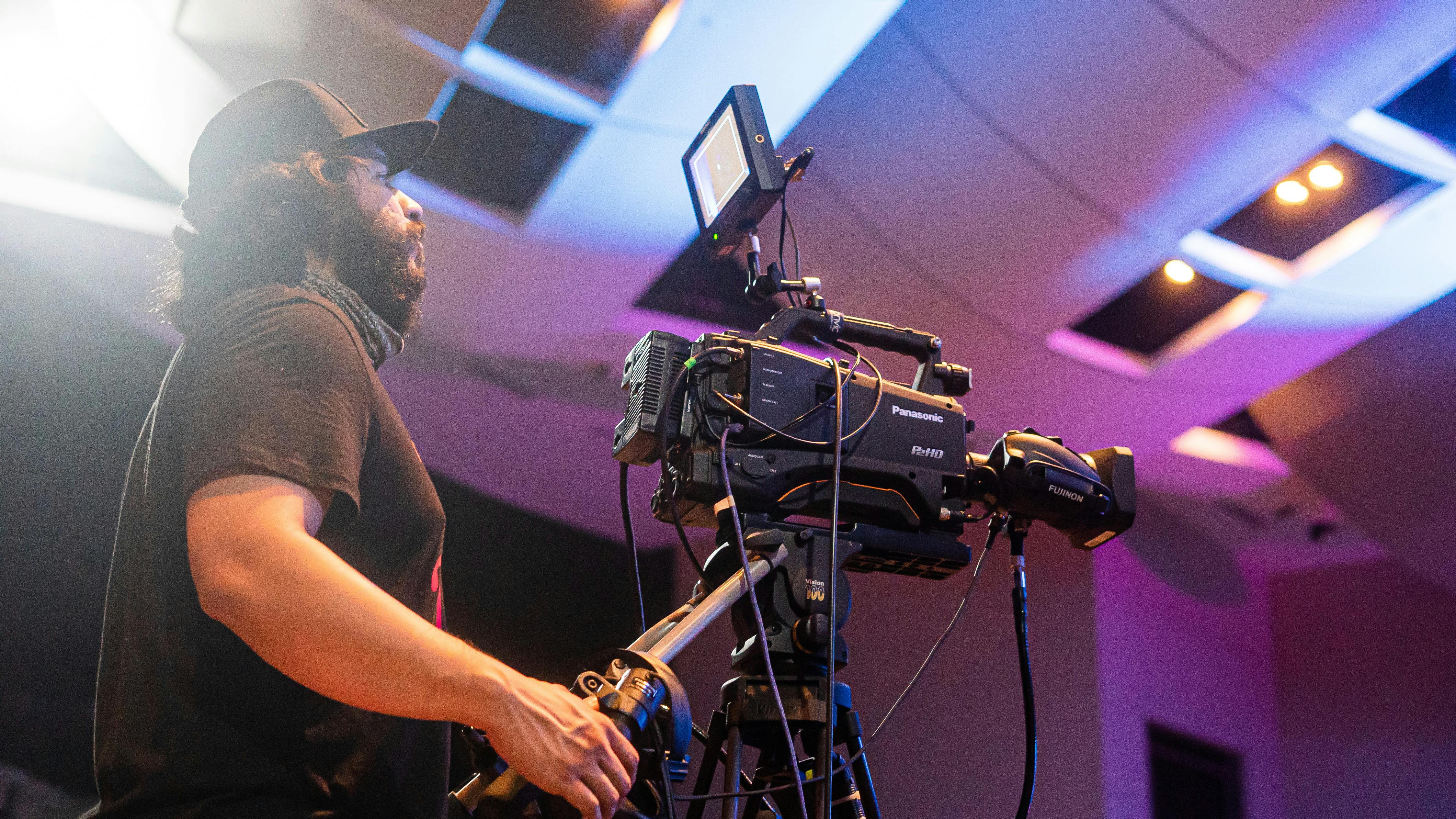
Finding the right studio space is a critical step for any production, photography session, or post-production workflow. A well-chosen rental can streamline logistics, enhance creative control, and protect the budget from unexpected overruns. This guide outlines the most common studio rental configurations, essential criteria for selection, and practical tips for securing a space that aligns with professional standards.
Types of Studio Spaces
Modern facilities typically offer a range of environments designed to accommodate diverse project requirements. Understanding the distinctions helps match the right space to the specific demands of a shoot.
Fully Equipped Sound Stages
- High ceilings (12-20″?ft) for large-scale set builds.
- Acoustic treatment and isolated walls for film and TV production.
- Integrated lighting grids, rigging points, and power distribution.
- Access to on-site grip and electric crews.
Photography-Focused Rooms
- Variable backdrops (paper, fabric, cyclorama).
- Continuous LED lighting and soft-box kits.
- White-balanced flooring and seamless walls.
- High-resolution monitoring stations for instant review.
Post-Production Suites
- Calibrated monitors for color grading.
- Sound-proof booths for ADR and voice-over work.
- High-speed networking and storage solutions.
- Ergonomic workstations to support long editing sessions.
For a deeper dive into configuring these environments, Discover expert strategies here.
Key Considerations When Choosing a Rental
Beyond the physical attributes of a studio, several operational factors influence the overall suitability of a rental.
- Location and Accessibility: Proximity to major transport hubs reduces crew travel time and equipment transport costs.
- Availability of Technical Support: On-site technicians can troubleshoot lighting, power, or network issues in real time.
- Insurance and Liability Policies: Verify that the facility’s coverage aligns with production requirements.
- Flexibility of Scheduling: Some studios offer 24-hour access or short-notice bookings, which is valuable for tight timelines.
Guidelines for evaluating these aspects are outlined in Learn about our tailored solutions.
Pricing Structures and Budgeting
Rental fees can be presented in several formats, each affecting how costs are allocated across a project.
- Hourly Rates: Ideal for short shoots or test runs; beware of overtime charges.
- Daily Packages: Provide a flat fee that includes basic lighting and grip equipment.
- Weekly/Monthly Blocks: Offer discounted rates for extended productions or recurring bookings.
- All-Inclusive Bundles: Combine space, crew, and post-production services into a single invoice, simplifying accounting.
To compare pricing models and find cost-effective options, Explore advanced guides and tips.
Additional Services and Amenities
Many studios extend their core offering with value-added services that can reduce the need for external vendors.
- Set Construction Workshops: In-house carpentry and painting teams.
- Catering and On-Site Caf??s: Keeps talent and crew energized without leaving the premises.
- Equipment Rental: Cameras, lenses, grip gear, and audio packages available on site.
- Secure Storage: Climate-controlled lockers for props and sensitive media.
Details on these supplementary options can be found by Find out more about this approach.
How to Secure a Studio
Securing the optimal space involves a blend of research, communication, and documentation.
- Define Project Requirements: List needed square footage, ceiling height, power load, and any special equipment.
- Request a Site Visit: Inspect acoustics, lighting rig points, and accessibility before committing.
- Negotiate Terms: Clarify cancellation policies, overtime fees, and any included services.
- Finalize Contracts: Ensure the agreement outlines insurance responsibilities, liability limits, and delivery schedules.
- Confirm Technical Specs: Verify that the studio’s infrastructure matches camera, lighting, and post-production needs.
For a step-by-step checklist that aligns with industry best practices, Discover expert strategies here.
Conclusion
Choosing a professional studio rental involves balancing physical space, technical capabilities, cost structures, and supplemental services. By assessing each element against the specific demands of a production, creators can secure an environment that supports artistic vision while maintaining operational efficiency. Leveraging reputable resources and thorough due diligence ensures that the selected studio not only meets current needs but also provides the flexibility required for future projects.

