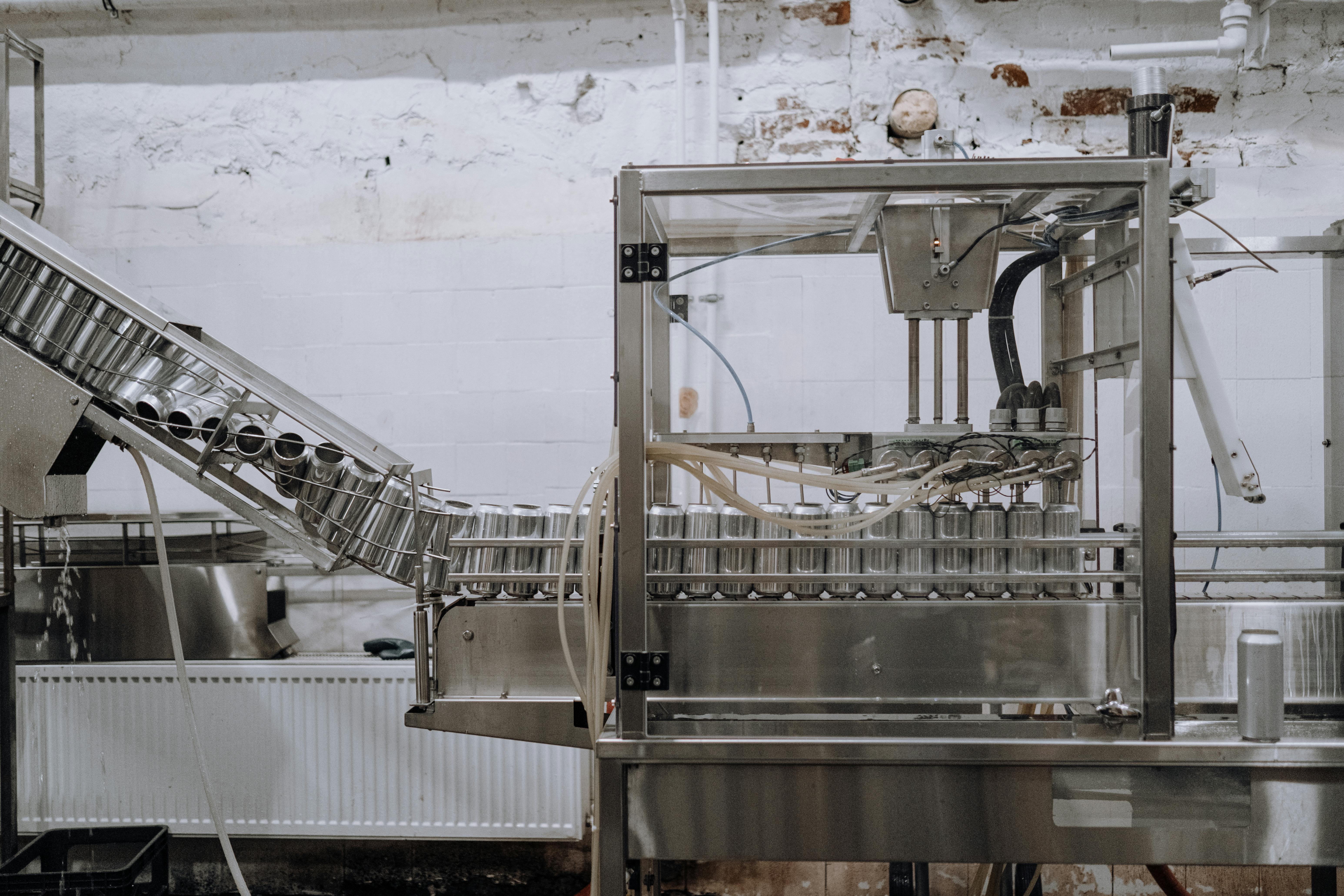
In the evolving landscape of industrial automation, conveyor belts play a crucial role in enhancing productivity across various sectors. As businesses in India seek to optimize their production lines, understanding the nuances of conveyor belt pricing becomes essential. This article delves into the factors influencing conveyor belt costs in India, offering insights into market trends, pricing variations, and strategic purchasing advice for businesses aiming to make informed decisions.
Key Factors Affecting Conveyor Belt Prices
The pricing of conveyor belts is influenced by several critical factors. Understanding these elements can help businesses make informed purchase decisions and achieve cost-effectiveness.
Material and Construction
- Material Type: Conveyor belts are made from various materials, including rubber, PVC, and metal. Each material offers different advantages, influencing the price. For example, rubber belts are often more affordable but may lack the durability of metal options.
- Construction Quality: The construction quality, including tensile strength and resistance to wear and tear, also impacts pricing. Higher quality construction often results in longer lifespan and better performance, typically at a higher cost.
Customization and Specifications
- Customization Needs: Customized conveyor belts tailored to specific industrial needs can incur additional costs. Customizations may include unique sizes, special coatings, or tailored designs to fit specific machinery.
- Technical Specifications: Specifications such as width, length, and load-bearing capacity are crucial. Higher specifications usually translate to higher prices, reflecting the advanced engineering and materials involved.
Explore advanced guides and tips by visiting the conveyor system solutions page.
Market Trends and Regional Variations
Conveyor belt prices in India are subject to market trends and regional variations. Understanding these dynamics helps businesses anticipate price changes and budget accordingly.
Economic Factors
- Raw Material Costs: Fluctuations in the cost of raw materials, such as rubber and steel, directly impact conveyor belt pricing. Keeping abreast of these market changes is essential for accurate budgeting.
- Import and Export Tariffs: Government policies on import and export tariffs can affect prices, especially for high-quality materials sourced internationally.
Regional Differences
- Local Manufacturing: Regions with established manufacturing facilities might offer competitive pricing due to reduced transportation costs and local material sourcing.
- Supply Chain Efficiency: Efficient supply chains in certain regions can lead to better price points and availability, influencing overall market dynamics.
Discover expert strategies here on the belt conveyor systems page.
Strategic Purchasing Advice
Making strategic purchasing decisions can significantly impact the cost-effectiveness of conveyor belt investments. Businesses can benefit from adopting a systematic approach.
- Vendor Comparison: Engaging with multiple vendors to compare prices and services ensures a competitive edge. Evaluating vendor reputation and after-sales service is equally important.
- Bulk Purchasing: Bulk purchasing can lead to discounts and better pricing. Businesses should consider their long-term needs and negotiate accordingly.
- Lifecycle Cost Analysis: A comprehensive analysis of the lifecycle costs, including maintenance and operational expenses, can guide purchasing decisions beyond the initial price tag.
Find out more about this approach at the tailored solutions page.

