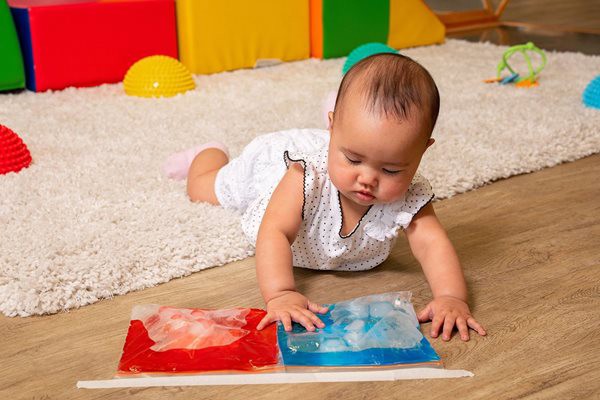
Sensory play is an integral part of a baby”?s development, providing opportunities for exploration and learning through engaging activities. This type of play helps in building nerve connections in the brain, which enhances a child’s ability to complete more complex learning tasks. It”?s not just about fun and games; sensory play supports language development, cognitive growth, fine and gross motor skills, problem-solving skills, and social interaction. By understanding the importance of sensory play, caregivers and parents can provide a stimulating environment that fosters holistic growth in their little ones.
Understanding Sensory Play
Sensory play involves activities that stimulate a baby’s senses: touch, smell, taste, sight, and hearing. These activities are crucial in helping babies learn more about the world around them. By engaging in sensory play, babies develop their cognitive abilities and start to understand complex concepts such as cause and effect.
Benefits of Sensory Play for Babies
Sensory play offers numerous benefits, including:
- Enhanced Memory: Engaging multiple senses helps babies improve their memory and recall ability.
- Improved Focus: Sensory activities can increase attention spans by encouraging curiosity and exploration.
- Language Development: As babies explore different textures and sounds, they learn new words and concepts.
- Social Interaction: Group activities foster social skills, teaching babies how to interact with others.
Find out more about this approach by visiting this site.
Engaging Sensory Play Activities
Tactile Experiences
Tactile activities engage a baby’s sense of touch, which is vital for their sensory development. Here are some ideas:
- Textured Play Mats: These mats come with different textures, encouraging babies to explore with their hands and feet.
- Sensory Bags: Fill a ziplock bag with gel and small objects like beads or buttons. Let the baby squish and move the items around.
Explore advanced guides and tips on tactile experiences and more here.
Auditory Exploration
Sound-based activities can be thrilling for babies. Here are some suggestions to engage their auditory senses:
- Musical Instruments: Use simple instruments like shakers or tambourines. Let the baby make noise and experience different sounds.
- Sound Bottles: Fill bottles with various items like rice or bells to create different sounds when shaken.
Discover expert strategies for auditory exploration here.
Visual Stimulation
Visual sensory play can enhance a baby’s ability to track objects and recognize patterns. Consider these activities:
- Colorful Mobiles: Hang mobiles with bright colors over the baby’s crib to catch their attention and encourage tracking.
- Light Play: Use a flashlight to create patterns on the wall or ceiling for babies to follow.
Learn about our tailored solutions for visual stimulation here.
Conclusion
Sensory play is a vital component of early childhood development. It helps babies explore their environment, develop crucial skills, and engage in meaningful learning experiences. By incorporating sensory play into daily routines, caregivers can support a baby’s growth and prepare them for future learning challenges. To further enhance the sensory play experience, explore advanced guides and tips available here.

