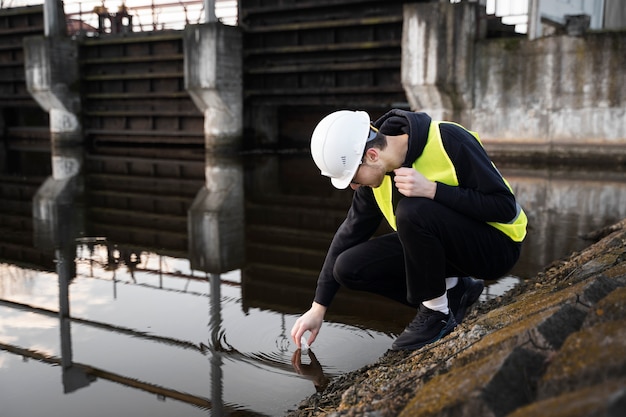
Navigating the aftermath of an outdoor sewage spill can be a daunting task, requiring both expertise and precision. Sewage spills not only pose serious health risks but also threaten the environment. Professional cleanup specialists play a crucial role in mitigating these risks, ensuring that affected areas are restored to safety and functionality. This article delves into the various aspects of outdoor sewage cleanup, highlighting the importance of professional intervention and the comprehensive strategies employed to address such challenges effectively.
Understanding Outdoor Sewage Spills
Outdoor sewage spills can occur due to various reasons, including:
- Broken or damaged sewage pipes
- Heavy rainfall leading to overflow
- Blockages caused by non-degradable materials
- Infrastructure failures
These incidents not only disrupt public health but also affect wildlife and natural resources. Understanding the root causes is essential for effective cleanup and prevention strategies.
The Role of Sewage Cleanup Specialists
Expertise and Equipment
The effectiveness of sewage cleanup heavily relies on the expertise of the professionals involved. Specialists employ advanced equipment and techniques to ensure thorough decontamination. Their role includes:
- Assessment of the spill and surrounding area
- Implementation of immediate containment measures
- Utilization of specialized cleaning agents and equipment
- Safe disposal of hazardous waste
Discover expert strategies here.
Health and Safety Protocols
Ensuring the safety of both the cleanup crew and the public is paramount. Specialists adhere to strict health and safety protocols, including:
- Personal protective equipment (PPE) for workers
- Air quality monitoring
- Decontamination procedures for personnel and equipment
- Communication with local authorities and communities
These measures protect against potential exposure to harmful pathogens and chemicals.
Comprehensive Cleanup Process
The cleanup process is methodical and involves several key stages:
Initial Assessment
A thorough site assessment is conducted to determine the extent of contamination. This helps in developing a targeted cleanup plan. Find out more about this approach.
Containment and Removal
Specialists establish barriers to contain the spill, preventing further spread. Contaminants are then carefully removed using industry-grade equipment. This stage is crucial in preventing the contamination of nearby water sources and soil.
Decontamination and Restoration
After removal, the affected area undergoes decontamination using eco-friendly cleaning agents. Restorative measures are then implemented to return the environment to its natural state. Explore advanced guides and tips.
Long-Term Prevention Strategies
Prevention is key to minimizing future incidents. Specialists often recommend:
- Regular maintenance and inspection of sewage systems
- Public education on proper waste disposal
- Implementation of advanced monitoring technologies
- Collaboration with environmental agencies
Learn about our tailored solutions.
By understanding and implementing these strategies, communities can effectively manage and prevent outdoor sewage spills, ensuring a safer and healthier environment for all.

