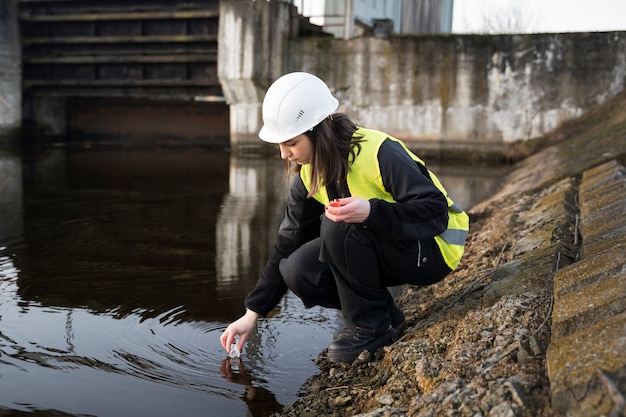
Water damage can have devastating effects on properties, leading to structural degradation, mold growth, and health hazards. In Riverview, where unpredictable weather can lead to unexpected water damage, understanding effective water extraction and drying methods is crucial. This article delves into the comprehensive processes involved in water extraction and drying, emphasizing the importance of timely and professional intervention to mitigate potential damages.
Understanding Water Extraction
Water extraction is the process of removing standing water from a property. This step is critical to prevent further water damage and mold growth. Effective water extraction involves several key stages:
- Assessment: Identifying the source and extent of water intrusion is the first step. This allows for a targeted approach to water removal.
- Water Removal: Utilizing specialized equipment such as pumps, vacuums, and extraction units to efficiently remove water from the premises.
- Debris Removal: Clearing out any debris or materials that may obstruct the drying process.
For those interested in the intricacies of these strategies, discover expert strategies here.
The Drying Process
After water extraction, drying the affected area is paramount to prevent mold and structural issues. The drying process is typically executed through the following steps:
- Air Circulation: Employing high-speed air movers to enhance evaporation by increasing air circulation across surfaces.
- Dehumidification: Using dehumidifiers to remove moisture from the air, accelerating the drying process and preventing secondary water damage.
- Monitoring: Regularly monitoring moisture levels using moisture meters to ensure thorough drying.
For detailed insights into drying techniques, find out more about this approach.
Benefits of Professional Water Extraction and Drying
Engaging professional services for water extraction and drying offers several advantages, including:
- Expertise: Professionals possess the knowledge and equipment necessary for efficient and effective water damage restoration.
- Speed: Quick response times reduce the potential for extensive damage.
- Safety: Ensuring the property is safe and free from hazards associated with water damage.
To learn about tailored solutions that address specific needs, learn about our tailored solutions.
Preventing Future Water Damage
Prevention is a critical aspect of managing water damage. Implementing measures to safeguard against future incidents is essential:
- Regular Maintenance: Regular inspections and maintenance of plumbing and drainage systems can prevent leaks and blockages.
- Installing Water Alarms: Water alarms can alert homeowners to leaks or flooding, enabling prompt action.
- Proper Insulation: Ensuring proper insulation of pipes to prevent freezing and subsequent bursting.
For advanced guides and tips on preventing water damage, explore advanced guides and tips.
Comprehensive understanding and implementation of water extraction and drying processes are indispensable for property protection in Riverview. By adhering to professional standards and practices, the adverse effects of water damage can be minimized, safeguarding both property and health.

