Radon is a naturally occurring radioactive gas that can pose significant health risks if it accumulates in homes and buildings. In Denver, the concern over radon levels has led to stringent regulations and guidelines to ensure public safety. Understanding these regulations is crucial for homeowners, builders, and real estate professionals operating in the region. This article aims to provide a comprehensive overview of Denver’s radon mitigation regulations, highlighting key aspects and practical steps for compliance.
Understanding Radon Risks
Radon is colorless, odorless, and tasteless, making it undetectable without specialized equipment. Prolonged exposure to high levels of radon is linked to an increased risk of lung cancer. In Denver, geological factors contribute to elevated radon levels, necessitating robust mitigation measures.
Regulatory Framework in Denver
Government Guidelines
The Environmental Protection Agency (EPA) and the Colorado Department of Public Health and Environment (CDPHE) set forth guidelines for acceptable radon levels and mitigation protocols. Denver’s regulations are aligned with these federal and state standards to ensure uniformity and effectiveness.
Mandatory Testing and Mitigation
- All new constructions are required to undergo radon testing to determine the need for mitigation.
- Existing properties identified with radon levels above 4 picocuries per liter (pCi/L) must implement mitigation measures.
- Realtors are encouraged to disclose radon test results during property transactions to inform buyers.
For those interested in comprehensive solutions, discover expert strategies here.
Mitigation Techniques and Best Practices
Common Mitigation Methods
Several techniques are employed to reduce radon levels in buildings, with the choice depending on the structure and radon concentration:
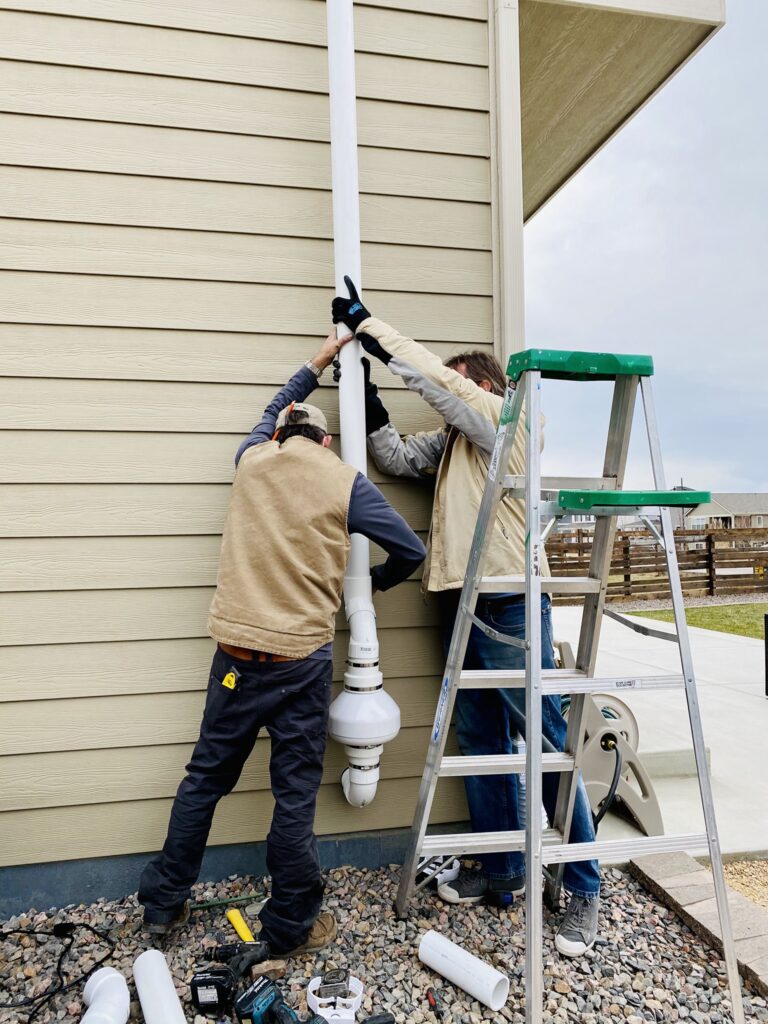
- Sub-slab Depressurization: This is the most prevalent method, involving the installation of a pipe and fan system to vent radon gas from beneath the foundation.
- Sealing: Cracks and openings in the foundation and walls are sealed to prevent radon entry.
- Ventilation: Increasing ventilation in crawl spaces and basements helps to dilute radon concentrations.
To explore advanced guides and tips on radon mitigation, explore advanced guides and tips.
Choosing a Radon Mitigation Professional
Hiring a qualified radon mitigation professional ensures compliance with Denver”?s regulations and effective radon reduction. Consider the following when selecting a service provider:
- Certification by the National Radon Proficiency Program (NRPP) or the National Radon Safety Board (NRSB).
- Experience with local building codes and regulations.
- References and reviews from previous clients.
Learn about our tailored solutions by visiting this page for more information.
Staying Informed and Proactive
Regular testing and proactive mitigation are essential in managing radon risks effectively. Homeowners and property managers should stay updated with the latest guidelines and advancements in mitigation technologies.
For those keen on staying informed, find out more about this approach to ensure ongoing safety and compliance.
Conclusion
Denver’s radon mitigation regulations are designed to protect public health by ensuring that radon levels remain within safe limits. By understanding these regulations and adopting effective mitigation strategies, homeowners and builders can contribute to a safer living environment. Regular testing, professional consultation, and adherence to guidelines are key to effectively managing radon risks. For further resources and professional advice, visit the official website of a trusted radon mitigation service provider.

