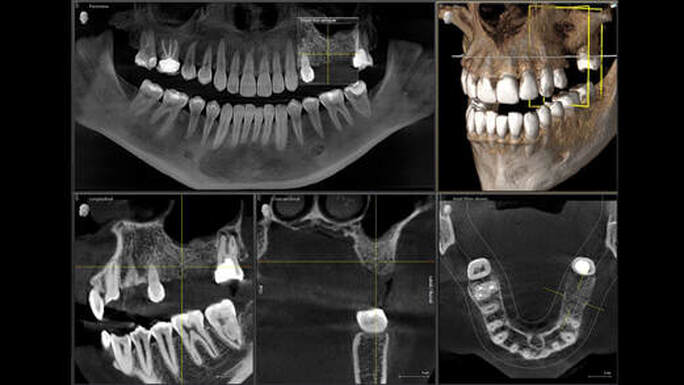
In the realm of modern dentistry, 3D cone beam computed tomography (CBCT) has revolutionized diagnostic imaging and treatment planning. With its ability to provide detailed, three-dimensional images of teeth, soft tissues, nerve pathways, and bone in a single scan, CBCT has become an invaluable tool for dental professionals. As dental practices continue to embrace technological advancements, understanding the benefits of 3D cone dental X-ray imaging becomes paramount for both practitioners and patients alike.
Enhanced Diagnostic Accuracy
One of the most significant advantages of 3D cone dental X-ray imaging is its superior diagnostic accuracy. Traditional two-dimensional X-rays can sometimes fall short in providing detailed information needed for complex cases. In contrast, CBCT offers:
- Detailed visualization of dental structures and tissues.
- Accurate assessment of root canals, aiding in precise endodontic treatment.
- Comprehensive views that help in diagnosing complex cases such as impactions or bone abnormalities.
These benefits ensure that dental professionals can make informed decisions, reducing the likelihood of misdiagnosis and unnecessary treatments. Discover expert strategies here.
Improved Treatment Planning
Another vital aspect of 3D cone dental imaging is its role in improving treatment planning. The clarity and detail provided by CBCT scans facilitate:
- Precise implant placement with a clear understanding of the patient”?s anatomical nuances.
- Customized orthodontic treatment plans tailored to individual patient needs.
- Detailed pre-surgical assessments that minimize risks and enhance procedural outcomes.
With these capabilities, dental practitioners can provide tailored solutions that optimize patient care. Learn about our tailored solutions.
Reduced Radiation Exposure
While concerns about radiation exposure persist, 3D cone beam technology is designed to minimize these risks. Compared to conventional CT scans, CBCT delivers a lower dose of radiation. Key advantages include:
- Focused imaging that targets specific areas, reducing unnecessary exposure.
- Efficient scanning processes that capture comprehensive data quickly.
- State-of-the-art technology that aligns with safety standards, ensuring patient well-being.
These features make CBCT a safer option for patients requiring detailed dental imaging. Explore advanced guides and tips.
Versatility Across Dental Specialties
The versatility of 3D cone dental X-ray imaging extends across various dental specialties, enhancing its value in comprehensive care. Its applications include:
- Oral surgery, where precise anatomical mapping is crucial for successful outcomes.
- Orthodontics, providing insights that drive effective treatment strategies.
- Periodontics, aiding in the assessment and management of periodontal diseases.
Such broad applicability underscores the importance of integrating advanced imaging techniques in dental practices. Find out more about this approach.
Conclusion
In conclusion, the benefits of 3D cone dental X-ray imaging are extensive, offering significant enhancements in diagnostic accuracy, treatment planning, patient safety, and versatility across dental specialties. As the dental industry continues to evolve, the adoption of advanced imaging technologies like CBCT plays a crucial role in elevating the standard of patient care. By embracing these innovations, dental professionals can ensure precision, safety, and effectiveness in their practice, ultimately leading to improved patient outcomes.

