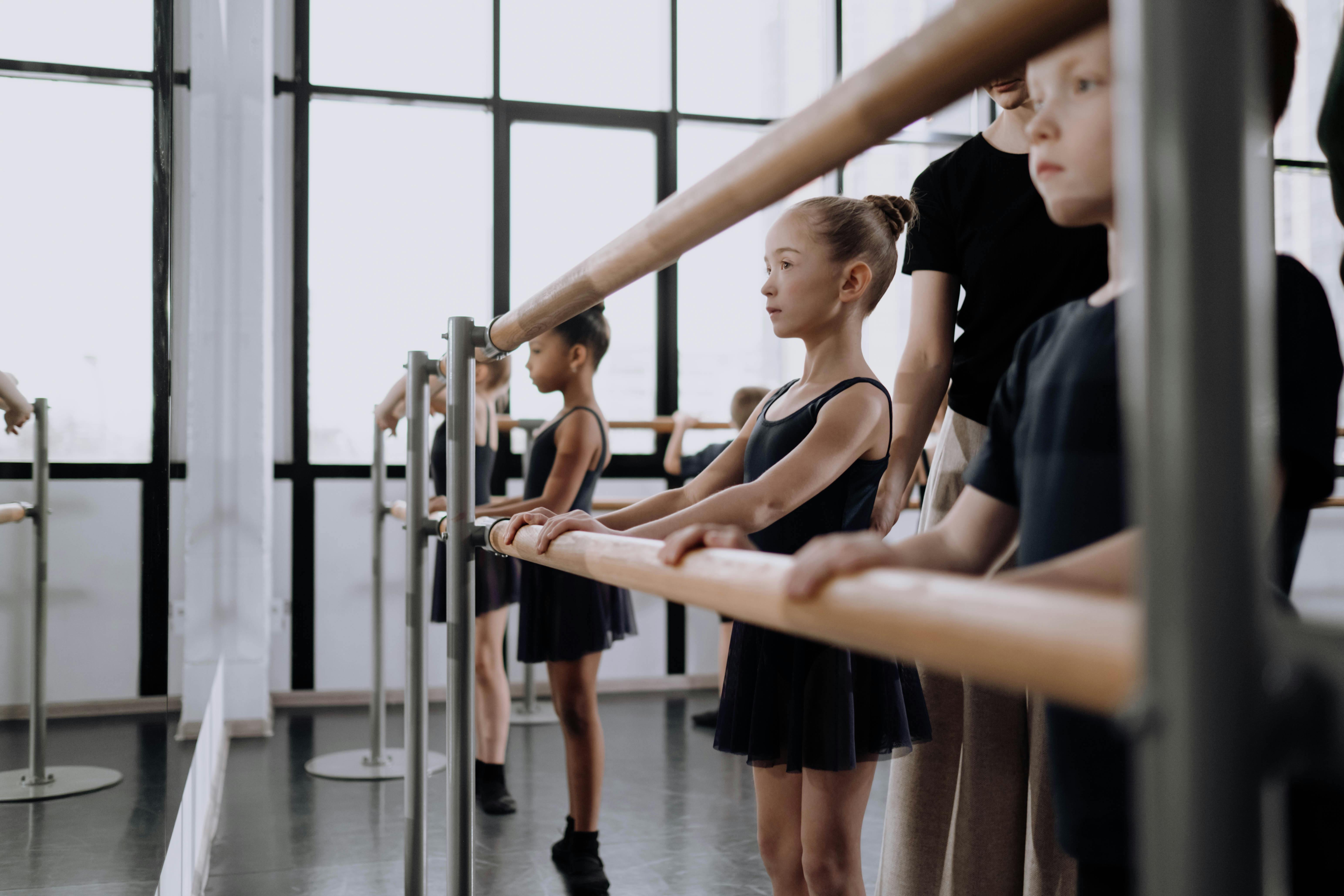
Ballet is not merely a dance form; it is an intricate blend of art and discipline that cultivates grace, flexibility, and strength. For children, engaging in ballet classes can be a transformative experience that contributes significantly to their physical, emotional, and cognitive development. Embracing the elegance of ballet at a young age can lay a robust foundation for a lifetime of appreciation for the performing arts. This article explores how children ballet classes can enhance technique and nurture a passion for dance.
Developing Core Skills in Young Dancers
Children ballet classes focus on building fundamental skills that are critical for mastering the art of ballet. These classes are designed to instill a sense of discipline while fostering creativity and self-expression. Through structured lessons, young dancers learn essential techniques and develop key skills, such as:
- Balance and Coordination: Ballet exercises improve the ability to maintain balance and coordinate movements, essential for executing intricate dance steps.
- Flexibility and Strength: Regular practice increases flexibility and builds strength, allowing dancers to perform with greater ease and control.
- Rhythm and Musicality: Children learn to move in sync with music, enhancing their timing and rhythmical understanding.
- Concentration and Memory: Memorizing routines and sequences cultivates focus and enhances memory skills.
For parents and guardians interested in supporting their child’s ballet journey, it is beneficial to discover expert strategies here on how to nurture these foundational skills outside of the classroom.
The Role of Qualified Instructors
In children’s ballet classes, the role of a qualified instructor cannot be overstated. Instructors are pivotal in guiding young dancers through their formative years in dance education. They are responsible for:
- Ensuring Proper Technique: Instructors provide personalized feedback and corrections to help students refine their technique.
- Creating a Safe Environment: Safety is a priority, and instructors ensure that students practice in a secure and supportive setting.
- Encouraging Creativity: While technique is vital, instructors encourage students to explore creative expression through movement.
- Fostering a Love for Dance: Through positive reinforcement and engaging lessons, instructors instill a lifelong passion for ballet.
Parents can learn about our tailored solutions to ensure their child receives instruction from experienced and dedicated ballet teachers.
Long-Term Benefits of Ballet for Children
Physical and Emotional Growth
The advantages of enrolling children in ballet classes extend beyond immediate skill acquisition. Long-term benefits include:
- Enhanced Physical Fitness: Regular ballet practice contributes to overall physical health, improving cardiovascular fitness and muscular endurance.
- Emotional Resilience: Ballet encourages emotional expression and can be a powerful outlet for stress and anxiety.
- Social Skills Development: Group classes offer opportunities for social interaction, teaching children teamwork and communication skills.
For a more comprehensive understanding of the benefits of children’s ballet classes, explore advanced guides and tips that detail how ballet impacts various aspects of a child’s life.
Cognitive Advantages
Participation in ballet is also linked to cognitive benefits, such as:
- Improved Academic Performance: The discipline and focus developed in ballet can translate to better academic outcomes.
- Problem-Solving Skills: Learning and adapting to complex dance routines enhances critical thinking and problem-solving abilities.
To delve deeper into the cognitive benefits of ballet for children, find out more about this approach and how it can positively influence a child’s academic and personal growth.
In conclusion, children’s ballet classes offer a multitude of benefits that extend beyond the dance studio. By investing in quality ballet instruction, young dancers can develop a strong technical foundation while gaining valuable life skills that will serve them in various aspects of their lives. Whether your child dreams of becoming a professional dancer or simply wishes to explore the joy of movement, ballet provides an enriching pathway to achieving their goals.

