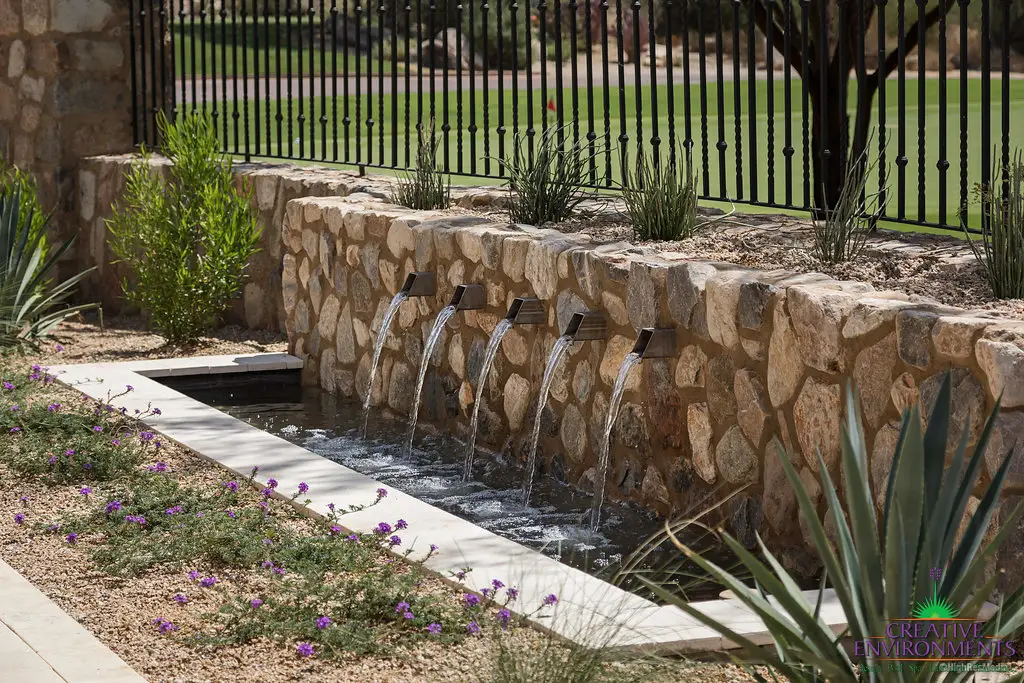
Water features have long been a symbol of tranquility and elegance. When thoughtfully integrated into a landscape, they can transform an ordinary space into a serene retreat. The appeal of flowing water is timeless, and the possibilities for incorporating custom water features into your property are virtually limitless. Whether it’s a tranquil pond, a modern waterfall, or an elegant fountain, each installation offers unique aesthetic and functional benefits that can elevate the ambiance and value of any property.
Understanding Custom Water Features
Custom water features are designed to complement the unique characteristics of a property and the personal tastes of its owner. Unlike pre-fabricated options, custom water feature designs are tailored to fit specific dimensions, themes, and functional requirements.
Types of Custom Water Features
- Ponds: These can range from small koi ponds to expansive water gardens, creating a habitat for aquatic plants and animals.
- Waterfalls: Designed to mimic natural water cascades, these can be standalone features or integrated into other landscape elements.
- Fountains: From classical tiered fountains to modern geometric designs, fountains add a dynamic visual element.
- Streams: Artificial streams can meander through a property, creating a naturalistic flow that connects different landscape elements.
- Reflecting Pools: These provide a serene surface that mirrors the surrounding landscape, enhancing the sense of space and light.
Benefits of Custom Water Features
Incorporating a custom water feature into your landscape offers numerous benefits beyond aesthetic appeal:
- Enhanced Property Value: A well-designed water feature can significantly increase the market value of a property by adding unique character and curb appeal.
- Environmental Benefits: Water features can support local wildlife, including birds and beneficial insects, creating a mini-ecosystem.
- Stress Reduction: The sound of flowing water is naturally calming and can help reduce stress and improve mental well-being.
- Improved Air Quality: Water features can contribute to better air quality by humidifying and filtering the air around them.
- Energy Efficiency: Modern water features can be designed to operate efficiently, using minimal energy to achieve maximum effect.
Design Considerations for Custom Water Features
When planning a custom water feature, several design elements should be considered to ensure the final result aligns with the intended vision and functional goals:
Site Selection and Integration
- Choose a location that enhances the natural flow of the landscape and complements existing structures.
- Consider the impact of sunlight and shade on the feature, as well as any potential views from inside the property.
- Ensure that the water feature integrates seamlessly with other landscape elements, such as gardens, patios, or pathways.
Material and Style
- Select materials that complement the overall aesthetic of the property, such as natural stone, concrete, or metal.
- Consider the theme and style of the feature, whether it’s rustic, modern, classic, or contemporary.
Maintenance and Sustainability
- Plan for regular maintenance to keep the water feature clean and functional, including water quality management and debris removal.
- Incorporate sustainable practices, such as using recycled water or energy-efficient pumps, to minimize environmental impact.
Conclusion
The addition of a custom water feature can transform a property into a personal oasis, providing aesthetic beauty and peaceful ambiance. By carefully considering design, location, and maintenance, property owners can create a feature that not only meets their needs but also enhances the natural environment. For those inspired to explore the potential of custom water feature designs, the possibilities are as endless as the flow of water itself.

