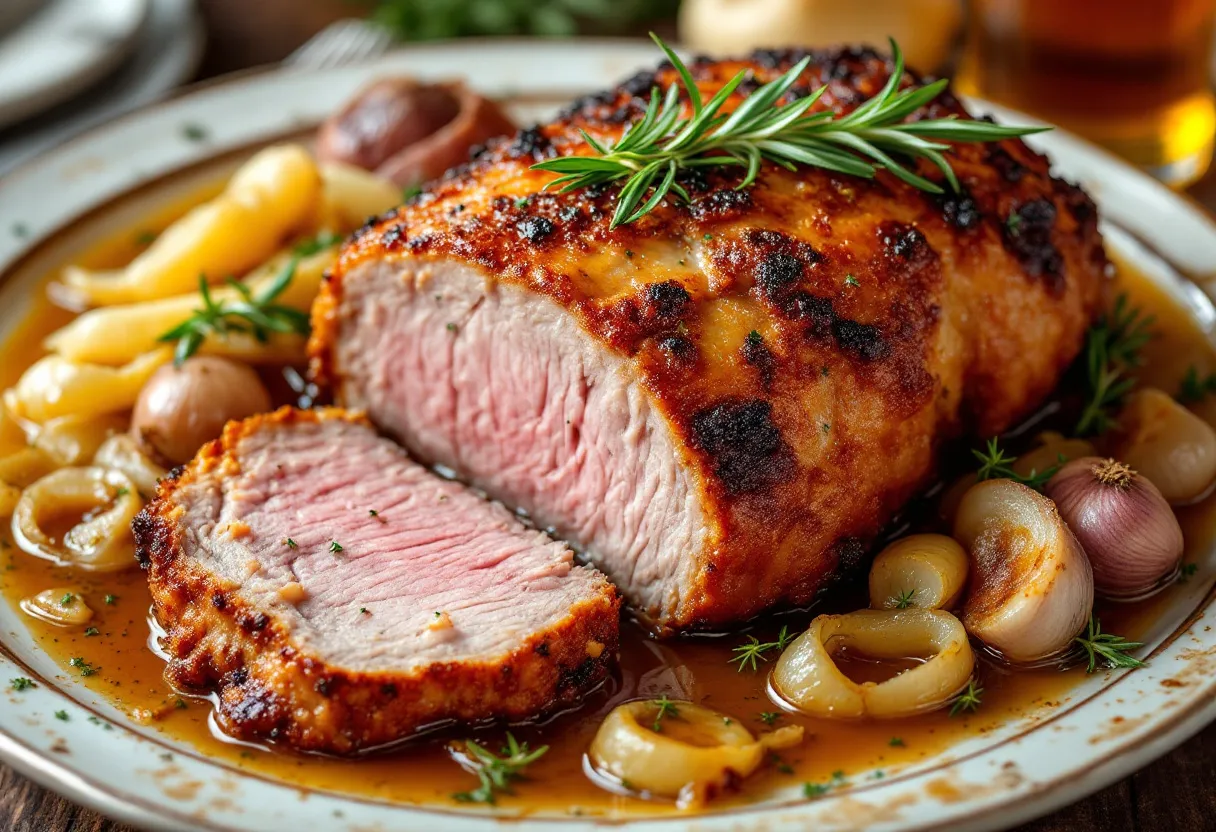
Embarking on a culinary journey through the vibrant and diverse flavors of Sabich Ember is akin to taking a gastronomic tour across different cultures and traditions. This dish, with its roots deeply planted in the Middle Eastern culinary landscape, offers a tantalizing mix of textures and tastes that are bound to captivate the senses. Sabich Ember stands out not only for its unique composition but also for its ability to bring together a variety of ingredients in a harmonious blend. In this exploration, the focus will be on understanding what makes Sabich Ember such an intriguing dish and how it reflects the broader spectrum of global flavors.
The Origins of Sabich Ember
The dish known as Sabich Ember is rooted in tradition, with a history that traces back to the Middle East. Originally a breakfast dish, it has evolved to become a beloved meal enjoyed at any time of the day. Its traditional ingredients include:
- Pita bread, often homemade or sourced from artisanal bakeries, providing the foundation for the dish.
- Fried eggplant, offering a smoky and rich flavor profile.
- Hard-boiled eggs, adding a creamy texture and subtle taste.
- Amba, a tangy mango pickle that introduces a burst of flavor.
- Tahini sauce, which offers a nutty and creamy complement to the dish.
Modern Interpretations
While the traditional recipe remains popular, modern interpretations of Sabich Ember have introduced new ingredients and flavors. These variations can include the addition of fresh vegetables, such as cucumbers and tomatoes, or even the incorporation of spicy elements to cater to those with a penchant for heat. Such adaptations showcase the dish’s versatility and its ability to adapt to contemporary palates.
Exploring Similar Culinary Delights
Sabich Ember is just one example of how culinary traditions can be adapted and celebrated worldwide. Other dishes, such as Kapenta Chikanda or Chamak Chaat, similarly highlight the fusion of flavors and cultures. These dishes, like Sabich Ember, emphasize the use of locally-sourced ingredients and traditional cooking methods to create something both familiar and exciting.
Pairing with Complementary Flavors
Pairing Sabich Ember with complementary dishes can enhance the overall dining experience. Consider serving it alongside:
- Caf? Mousse for a rich dessert that balances the savory notes of the main dish.
- Caril Salamun, a seafood dish that offers a contrasting flavor profile.
- Namibian Rooibos Melktart for a sweet and refreshing end to the meal.
The Global Influence of Sabich Ember
Sabich Ember’s appeal is not limited to its region of origin. Its popularity has spread globally, with variations and adaptations appearing in numerous culinary settings. This dish exemplifies how traditional foods can transcend borders, much like Groene Verwennerij and Piton Parfait, showcasing a blend of culinary heritage and modern innovation.
Incorporating Sabich Ember into Modern Cuisine
Modern chefs have embraced Sabich Ember, incorporating it into menus in creative ways. These can include:
- Using alternative grains and breads, such as whole grain or sourdough, for a contemporary twist.
- Infusing additional flavors with international spices, drawing inspiration from dishes like Bermuda Herb Chowder.
- Creating deconstructed versions that focus on individual components, similar to the approach taken with Shalgam Manty.
Ultimately, Sabich Ember represents more than just a meal; it is a culinary journey that invites exploration and discovery. Through its rich history, diverse ingredients, and global adaptability, it continues to captivate and inspire chefs and food enthusiasts alike.

