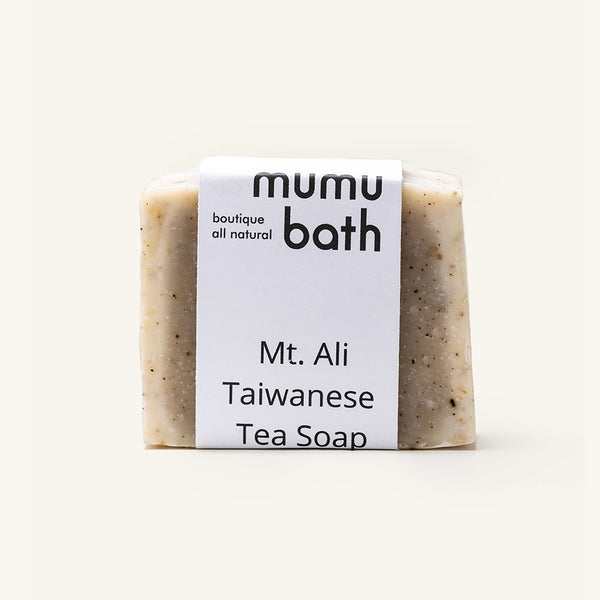
Choosing the right soap can significantly impact your skin’s health and appearance. With the rise in awareness about the benefits of natural products, organic soap has become a popular choice for many. These soaps, made from natural ingredients without harmful chemicals, cater to various skin types and needs. However, the variety of organic soaps available on the market can be overwhelming. This guide aims to simplify the decision-making process, helping you select the best organic soap for your unique requirements.
Understanding Organic Soap
Organic soap is crafted from natural ingredients grown without the use of pesticides, synthetic fertilizers, or genetically modified organisms. These soaps are often free from artificial fragrances, colors, and preservatives, making them a healthier choice for the skin and the environment.
Benefits of Using Organic Soap
- Gentle on the Skin: Free from harsh chemicals, organic soaps are suitable for sensitive skin.
- Environmentally Friendly: The natural ingredients in organic soap biodegrade more easily than synthetic ones.
- Rich in Nutrients: Ingredients like essential oils, herbs, and natural fats provide nourishment to the skin.
- Avoids Irritation: The absence of artificial additives reduces the risk of allergic reactions.
Identifying Your Skin Type
Before selecting an organic soap, it’s crucial to understand your skin type. This will ensure the soap meets your specific skin needs.
- Normal Skin: Balanced skin that is neither too oily nor too dry.
- Oily Skin: Prone to excess oil production and often accompanied by acne.
- Dry Skin: Lacks moisture and may feel tight or flaky.
- Sensitive Skin: Easily irritated by strong ingredients or fragrances.
Choosing the Right Ingredients
When selecting an organic soap, consider the ingredients that cater to your skin’s needs.
For Normal Skin
- Aloe Vera: Known for its soothing and hydrating properties.
- Coconut Oil: Provides moisture and naturally cleanses the skin.
For Oily Skin
- Tea Tree Oil: Offers antibacterial properties to combat acne.
- Lemon Extract: Helps to control oil production and brighten the complexion.
For Dry Skin
- Shea Butter: Deeply moisturizing and nourishing.
- Olive Oil: Contains antioxidants and helps to lock in moisture.
For Sensitive Skin
- Chamomile: Soothes irritation and reduces inflammation.
- Lavender Oil: Calms and comforts sensitive skin.
Additional Considerations
Aside from ingredients, other factors should be taken into account when selecting the best organic soap:
- Certification: Look for organic certifications to ensure the product meets organic standards.
- Fragrance: Opt for naturally scented soaps if you prefer a fragrance, avoiding synthetic perfumes.
- Packaging: Choose products with eco-friendly packaging to reduce environmental impact.
- Reviews: Read user reviews to gain insights into the soap’s performance and suitability.
Conclusion
Finding the best organic soap involves understanding your skin type, identifying beneficial ingredients, and considering other factors like certification and packaging. By making informed choices, you can enhance your skincare routine with products that are both effective and environmentally conscious. Explore the range of organic soaps available and select one that aligns with your skincare needs and values.

