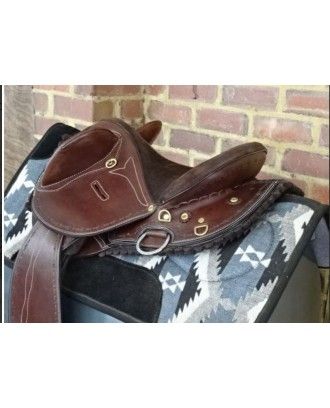
Choosing the right recreational riding saddle is crucial for both the rider’s comfort and the horse’s well-being. A saddle that fits well can make a significant difference in your riding experience, whether you’re a beginner or an experienced equestrian. With a plethora of options available, it can be daunting to find the perfect saddle to suit your needs. This article will guide you through the essentials of selecting a recreational riding saddle, helping ensure a pleasant and safe riding experience.
Understanding Saddle Types
Recreational riding encompasses various activities, requiring different types of saddles. Here are a few common types:
- All-Purpose Saddles: Versatile and suitable for various riding styles, from casual trail riding to basic jumping.
- Dressage Saddles: Designed for flatwork, they allow for close contact with the horse and facilitate proper posture.
- Western Saddles: Ideal for longer rides, offering comfort and support with a deep seat and horn for stability.
- Endurance Saddles: Lightweight and designed for long-distance riding, focusing on rider and horse comfort.
For more detailed comparisons of these saddle types, read more about this topic.
Key Considerations When Choosing a Saddle
Comfort for the Rider
Comfort is paramount when choosing a saddle. Consider the following:
- Seat Size: A properly sized seat ensures balance and reduces fatigue.
- Seat Depth and Width: Choose a seat that suits your riding style; deeper seats offer more security, while flatter seats allow for more movement.
- Knee and Thigh Rolls: These offer additional support and help maintain a correct riding position.
Find additional information here on how to assess rider comfort in more detail.
Comfort for the Horse
Ensuring the saddle fits the horse properly is just as important. Consider these factors:
- Gullet Width: A properly sized gullet prevents pinching of the horse’s spine.
- Panel Configuration: Panels should distribute the rider’s weight evenly across the horse’s back.
- Tree Shape and Size: The tree should match the horse’s back shape to avoid discomfort and pressure points.
To ensure the best fit for your horse, learn more in this detailed guide.
Materials and Craftsmanship
The materials and craftsmanship of a saddle greatly affect its durability and performance. Consider the following:
- Leather Quality: High-quality leather offers durability and a comfortable ride.
- Stitching: Inspect the stitching for uniformity and strength, as this affects the saddle’s longevity.
- Tree Material: The tree’s material contributes to the saddle’s weight and flexibility; common materials include wood, fiberglass, and composite.
Explore further insights here about the importance of saddle materials.
Budget Considerations
While it can be tempting to opt for a less expensive saddle, remember that quality often correlates with price. Consider these points:
- Initial Investment vs. Long-term Use: A well-made saddle may cost more upfront but will last longer and provide more comfort.
- Cost of Maintenance: Factor in potential maintenance and repair costs over the saddle’s lifespan.
- Resale Value: Higher-end saddles tend to maintain better resale value.
A comprehensive overview of budget considerations can be found here.
Conclusion
Finding the perfect recreational riding saddle requires careful consideration of various factors, including saddle type, comfort, materials, and budget. A saddle that fits both the rider and the horse well can enhance the riding experience and ensure safety. For more detailed guidance on selecting the ideal saddle, explore further insights here.

