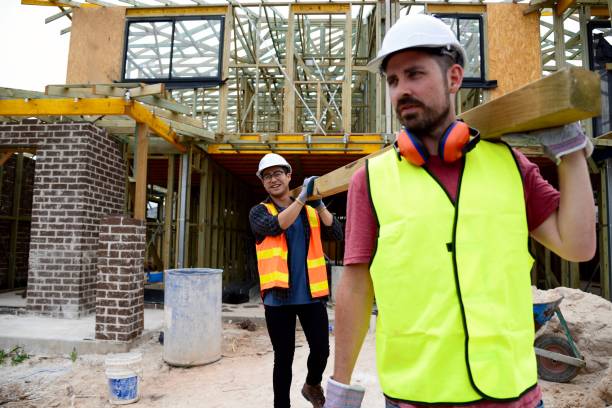
The National Disability Insurance Scheme (NDIS) is a pivotal initiative aimed at providing support to Australians with disabilities. One of the critical areas under the NDIS is the construction of accessible homes that cater to the diverse needs of individuals with disabilities. As the demand for such homes rises, specialized NDIS house builders have emerged to create environments that are safe, functional, and inclusive. These builders focus on integrating features that enhance mobility, accessibility, and independence for residents, ensuring that housing solutions align with the specific requirements outlined by the NDIS.
The Importance of Accessible Homes
Accessible homes are more than just a convenience; they are essential for the well-being and independence of individuals with disabilities. These homes are designed to eliminate barriers, enabling residents to navigate their living spaces safely and efficiently. Key benefits include:
- Enhanced mobility and ease of movement within the home.
- Improved safety through the installation of features such as grab bars and non-slip flooring.
- Increased independence for residents, reducing reliance on caregivers.
- Compliance with legal and regulatory requirements for accessibility.
For more insights into the significance of accessible home design, explore further insights here.
Features of NDIS Accessible Homes
Structural Adaptations
NDIS house builders incorporate various structural adaptations to ensure that homes are accessible and comfortable for all residents. Common adaptations include:
- Wider doorways and hallways to accommodate wheelchairs and mobility aids.
- Ramps and stair lifts to facilitate access to different levels of the home.
- Open-plan layouts that provide ample space for maneuvering.
Learn more in this detailed guide about structural adaptations in accessible home construction.
Bathroom and Kitchen Modifications
The kitchen and bathroom are critical areas that require special attention in accessible home design. Modifications may include:
- Lowered countertops and sinks to accommodate wheelchair users.
- Roll-in showers and adjustable showerheads for ease of use.
- Lever-style faucets and easy-to-grip handles for better accessibility.
Find additional information here about specific modifications in key areas of the home.
Smart Home Technology
Incorporating smart home technology is an emerging trend among NDIS house builders. These technologies can significantly enhance the quality of life for individuals with disabilities by providing greater control over their living environment. Examples include:
- Voice-activated lighting and thermostats for easy adjustment.
- Automated door systems and security features.
- Remote monitoring systems to ensure safety and security.
Read more about this topic and how smart technology can be integrated into accessible homes.
The Role of NDIS House Builders
NDIS house builders play a crucial role in ensuring that homes meet the specific needs of individuals with disabilities. Their responsibilities include:
- Conducting thorough assessments to understand the unique requirements of each resident.
- Collaborating with architects and designers to create customized plans.
- Ensuring compliance with NDIS guidelines and standards throughout the construction process.
For those interested in the nuances of building accessible homes, explore further insights here.
In conclusion, the development of accessible homes under the NDIS is a vital aspect of enhancing the quality of life for individuals with disabilities. By focusing on tailored solutions and innovative designs, NDIS house builders are making significant strides in creating inclusive environments that empower residents and support their independence. As the landscape of accessible housing continues to evolve, staying informed about the latest developments and guidelines is essential for those involved in this transformative work.

