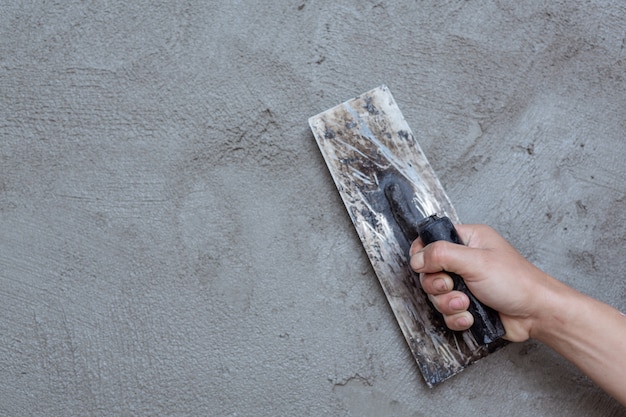
Concrete is a versatile and durable building material, widely used in various construction projects. However, its longevity and performance can be compromised by water infiltration. To mitigate this, waterproofing contractors play a crucial role in protecting concrete structures from moisture-related damages such as cracking, spalling, and corrosion. By employing specialized techniques and materials, these professionals ensure that concrete remains impervious to water, thereby prolonging its lifespan and maintaining its structural integrity.
Understanding the Importance of Concrete Waterproofing
Waterproofing is essential because water is one of concrete’s most significant adversaries. Over time, water can penetrate concrete surfaces, leading to severe structural issues. Some of the compelling reasons to prioritize concrete waterproofing include:
- Prevention of Structural Damage: Water infiltration can cause the steel reinforcement within concrete to rust and expand, leading to structural failure.
- Enhanced Durability: Waterproofing extends the life of concrete structures by minimizing deterioration and damage.
- Reduced Maintenance Costs: Protecting concrete from water damage reduces the need for costly repairs and maintenance.
- Improved Indoor Environment: Waterproofing prevents water ingress that can lead to mold growth, ensuring healthier indoor spaces.
Key Techniques Employed by Waterproofing Contractors
Professional waterproofing contractors utilize various methods to safeguard concrete structures. Some of the most effective techniques include:
Surface Coatings
Surface coatings are applied to concrete to create a barrier against water penetration. These coatings are typically made from materials like acrylics, epoxies, or polyurethanes, which are known for their water-resistant properties. Find out more about this approach.
Crystalline Waterproofing
This method involves the use of chemicals that penetrate the concrete and form crystals in the presence of water. These crystals block the pathways through which water can infiltrate, effectively sealing the concrete from within.
Membrane Systems
Membrane systems are applied as sheets or liquid coatings that cure to form a continuous barrier. They can be placed on the positive side (exterior) or the negative side (interior) of the concrete surface, depending on the structure’s requirements. Discover expert strategies here.
Choosing the Right Waterproofing Solution
The choice of waterproofing technique depends on several factors, including the type of structure, environmental conditions, and budget constraints. When selecting a waterproofing solution, consider:
- Environmental Factors: Consider weather patterns, water table levels, and the potential for flooding.
- Structural Considerations: The age, condition, and design of the concrete structure can influence the choice of waterproofing method.
- Material Compatibility: Ensure that the waterproofing materials are compatible with other building materials used in the structure.
- Professional Expertise: Engage experienced contractors who understand the intricacies of concrete waterproofing. Learn about our tailored solutions.
Benefits of Hiring Professional Waterproofing Contractors
Engaging professional contractors for concrete waterproofing offers several advantages:
- Expertise and Experience: Professional contractors have the knowledge and experience to identify the most suitable waterproofing solutions.
- Advanced Techniques: They have access to cutting-edge technology and materials that ensure effective waterproofing.
- Quality Assurance: Skilled contractors provide warranties and guarantees on their work, offering peace of mind to property owners.
- Compliance with Regulations: Professionals ensure that all waterproofing activities adhere to local building codes and regulations. Explore advanced guides and tips.
In conclusion, safeguarding concrete structures from water damage is essential for maintaining their durability and safety. By employing the expertise of waterproofing contractors, property owners can ensure their investments remain protected against the adverse effects of moisture. Understanding the various techniques and solutions available can aid in making informed decisions that align with the specific needs and conditions of each project.

